Kids Electric Go Kart Won't Turn On: Safe Checks
If a kids electric go kart won't turn on, a blank display does not identify one failed part. The charger may still be connected, the battery may be deeply discharged, a plug may be loose, a protection device may have opened, or the key and direction controls may be in the wrong state. Start with the exact operating sequence and keep the child away.
Remove the charger and reset the controls
Use the manual's order to disconnect charging, switch power off, set direction to neutral if provided, release the pedal, and wait the specified interval. Then repeat the normal startup once. Do not cycle the switch rapidly or hold the accelerator while powering on. Record lights, sounds, clicks, and whether the charger indicator behaved normally.
Verify the outlet and charge cycle
Confirm the wall outlet works with an ordinary safe device and that charger input and output labels match the kart. Inspect the cord, plug, and charge port for cuts, looseness, heat, or discoloration. Do not use an extension or alternate charger unless explicitly approved. Stop for a swollen battery, odor, liquid, hissing, or unusual heat.
Check only owner-accessible connectors
With power off and the charger unplugged, compare exposed connectors named in the manual. They should be fully seated, dry, and undamaged. Never open a sealed battery or controller, bridge terminals, or probe plugs with metal. A fuse or breaker may have a model-specific rating and reset method; substitution defeats designed protection.
Look for storage and moisture clues
Note whether the kart sat unused, was stored discharged, got wet, experienced freezing or high heat, or stopped after heavy load. Battery care and protection behavior depend on the model. Let overheated parts cool only as instructed. Do not dry electrical equipment with a heater or continue charging a unit that shows corrosion or moisture entry.
Give support useful evidence
Provide the exact model, battery and charger labels, last successful ride, charging timeline, indicator sequence, storage conditions, and any sound when power is selected. This helps distinguish battery, charger, switch, connector, controller, and motor faults. After authorized repair, an adult tests steering, stopping, and low-speed operation before the child returns.
How current product examples clarify the choice
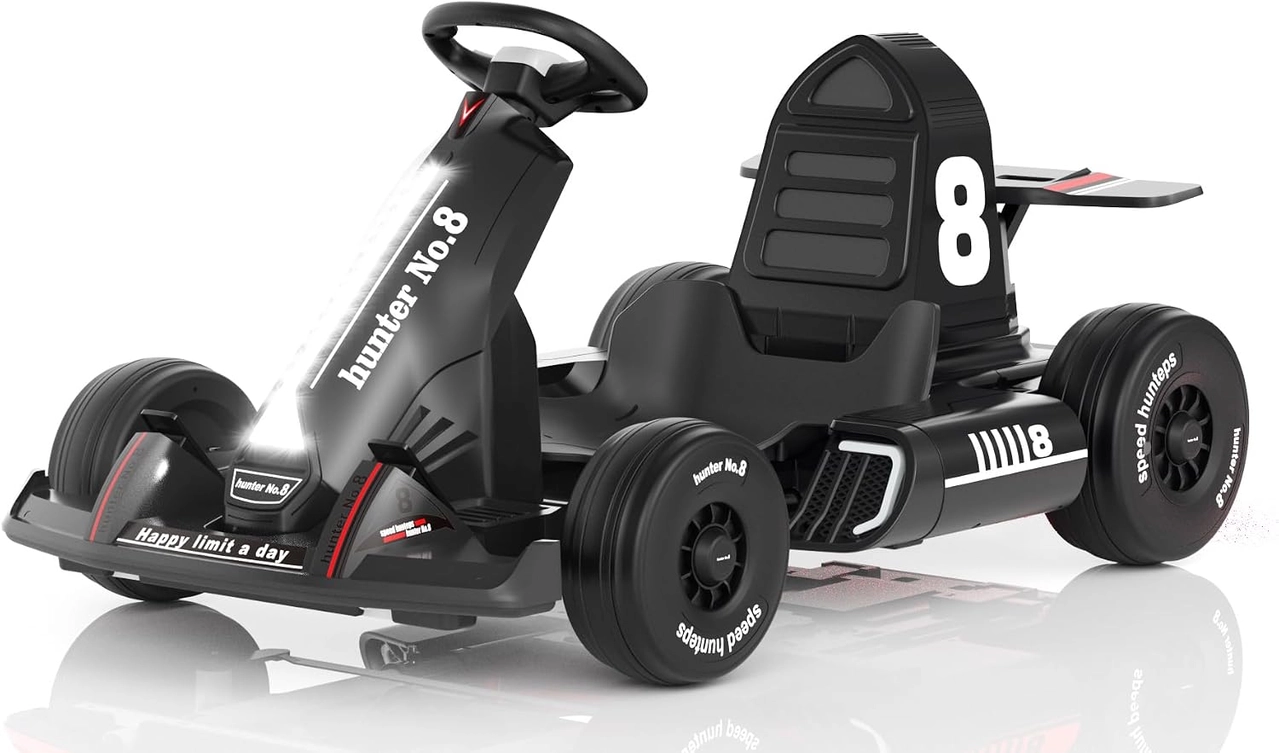
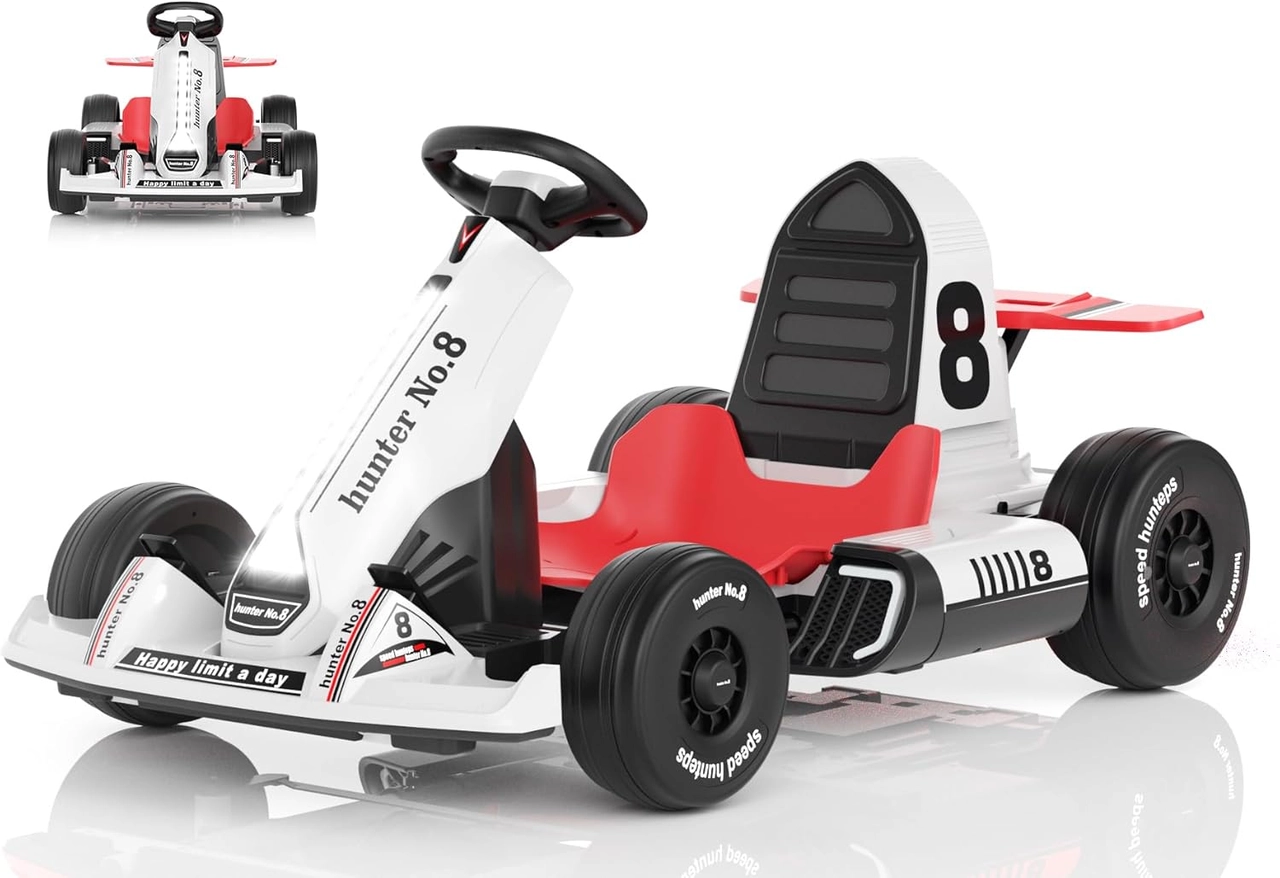
The XJD Black 12V Kids Go Kart and XJD White 24V Kids Go Kart show why troubleshooting cannot rely on body style or connector appearance. Their voltage systems require different compatible charging and electrical parts. Identify the actual model and labels before following a charge or connector procedure.
Related reading on this site
For the next step, compare this check with our electric go kart guide and battery charge troubleshooting. These pages provide nearby fit, component, or maintenance context without replacing the exact product manual.
Practical checklist
- Disconnect charging in the stated order.
- Match every electrical label.
- Inspect only accessible plugs.
- Record indicators before requesting service.
Frequently asked questions
Can a go kart battery be too low for the power light?
Yes, but charger, connector, switch, protection, and control faults can also create a blank startup.
Should I bypass the fuse to test the kart?
No. Bypassing protection can create fire, wiring, and injury risks.
Before making the final choice, revisit the exact route or driving area at the time it will normally be used. A setup that works during a quiet test may need more room, visibility or adult support when other people and everyday obstacles are present.
Bottom line
Use the answer to kids electric go kart won't turn on as a decision process, not a shortcut. Confirm the live product data and manual, match the rider to the controls and setting, and favor repeatable control over a larger size or higher performance label.


