Kids Electric Go Kart Battery Won't Hold Charge
When a kids electric go kart battery won't hold charge, short runtime does not automatically prove the battery is defective. Incomplete charging, an incompatible charger, cold storage, loose connections, heavy terrain, overload, or an aging battery can produce similar symptoms. Use repeatable observations and the exact manual instead of opening the pack or trying a higher-output charger.
Define short runtime consistently
Record the starting indicator, full charging sequence, rider load, speed mode, surface, temperature, and minutes of operation. Compare like with like on dry level ground. Thick grass, slopes, frequent starts, and high-speed use demand more energy. A dashboard light can remain on even when voltage drops too far under motor load, so note dimming and cutouts too.
Verify charger and outlet
Match charger input, output, connector, and polarity to the exact kart. Check the cord and port for cuts, looseness, discoloration, or abnormal heat. Use a known working wall outlet without an extension lead if the manual says so. Do not borrow a charger from a similar 12V or 24V toy; connector fit alone never proves electrical compatibility.
Review storage and recharge habits
Many ride-on manuals require charging after use and periodic charging during storage. Compare the actual routine with the current product instructions, including temperature and maximum charge time. Leaving a battery deeply discharged can shorten service life. Never charge a frozen, wet, swollen, cracked, leaking, or unusually hot pack, and keep children away from charging.
Inspect only approved connections
With power off and the charger disconnected, check only external plugs and battery connections named in the manual. They should be fully seated, dry, and undamaged. Do not short terminals, bypass a fuse, open a battery case, or probe a connector with household metal. Burn marks, odor, corrosion, or repeated circuit protection trips require qualified support.
Decide between battery and system service
An old battery may no longer accept a full charge, but motor drag, wheel obstruction, control faults, or charger failure can imitate low capacity. Provide support with the exact model, labels, charging timeline, and controlled-runtime notes. Replace only with the approved type and recycle the old battery through the required local channel.
How current product examples clarify the choice
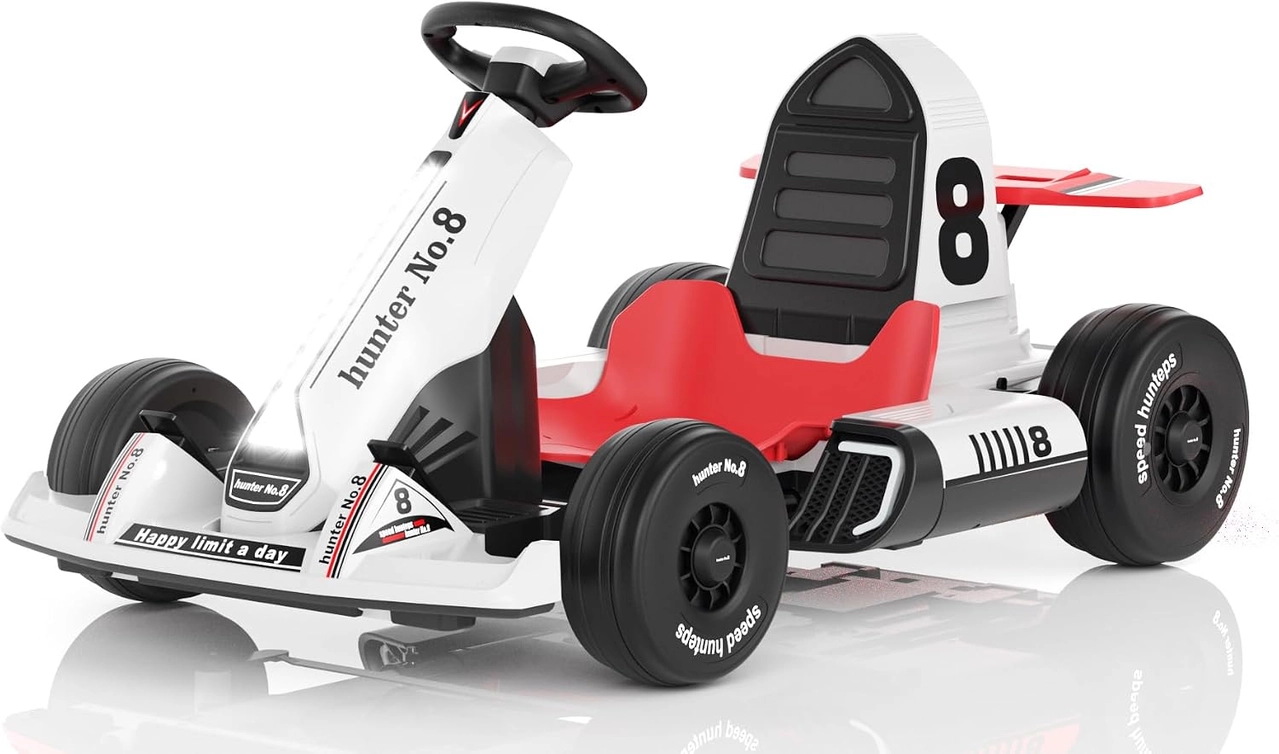
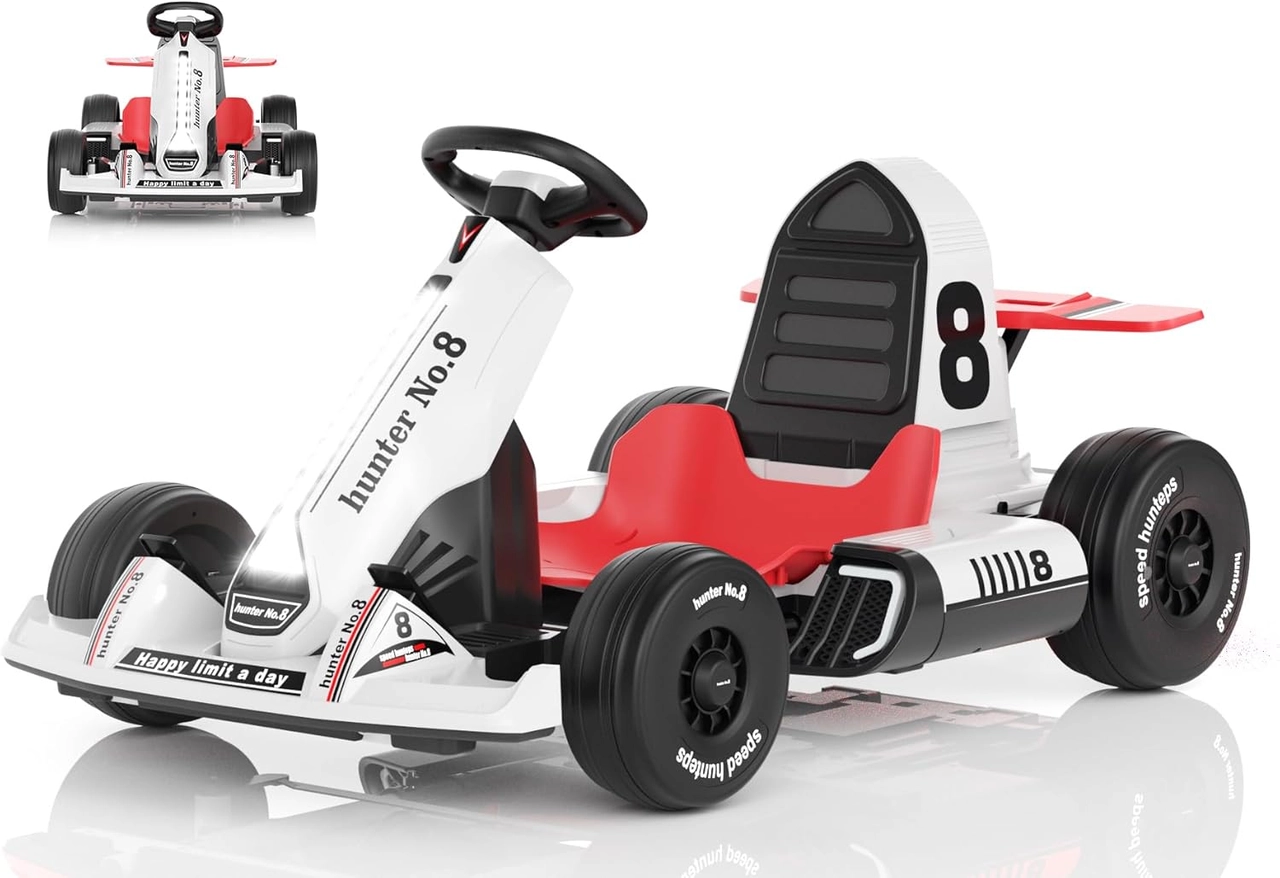
The XJD White 12V Kids Go Kart and XJD White 24V Kids Go Kart both list 7Ah battery capacity, yet their voltage systems and chargers are different. That catalog comparison makes the compatibility issue concrete: matching color, capacity, or plug appearance is not enough. The complete electrical label and model documentation must agree.
Practical checklist
- Compare runtime under the same conditions.
- Match every charger label.
- Follow storage-charge guidance.
- Stop for swelling, odor, leakage, or heat.
Frequently asked questions
Why does the battery show full but die quickly?
An aged battery can sag under load, but charging, connections, terrain, overload, and drive resistance should be checked too.
Can I upgrade to a larger go kart battery?
Only when the manufacturer explicitly approves the exact battery, charger, mounting, wiring, and protection combination.
Before making the final choice, revisit the exact route or driving area at the time it will normally be used. A setup that works during a quiet test may need more room, visibility or adult support when other people and everyday obstacles are present.
Bottom line
Use the answer to kids electric go kart battery won't hold charge as a decision process, not a shortcut. Confirm the live product data and manual, match the rider to the controls and setting, and favor repeatable control over a larger size or higher performance label.


