Kids Go Kart Seat Loose: Fit and Fastener Checks
A kids go kart seat loose may slide, rock, twist, or shift when a child presses a pedal. That movement can change steering reach, belt routing, and braking control even when the kart still drives. Remove the rider, switch off power, and identify whether play comes from an approved adjustment point, the seat shell, a mounting bracket, or the chassis.
Identify the direction of movement
With the kart parked on level ground, apply gentle hand pressure to the empty seat from front, rear, and each side. Watch rails, length-adjustment holes, latch, bolts, and the seat shell separately. Do not sit in it or use body weight to exaggerate play. Photograph any gap, cracked plastic, or fastener that moves with the seat.
Confirm the adjustment is fully locked
Adjustable-length karts can use pins, bolts, knobs, or several indexed holes. Compare the current position with the exact manual and make sure both sides, where applicable, occupy matching approved locations. A pin must pass through its intended structure and retain as shown. Never use a nail, cable tie, or undersized bolt as an adjustment pin.
Inspect mounts and restraint points
Look for elongated holes, bent brackets, missing washers, stripped threads, cracks, corrosion, or hardware installed in the wrong order. Include belt anchors and routing because a moving seat can change restraint geometry. Do not drill a new hole, glue a cracked shell, or place padding beneath a mount. Structural damage needs compatible replacement and qualified service.
Recheck the child's control fit
After an approved repair, stabilize the powered-off kart while the child sits normally. Confirm the back remains against the seat, the belt fits as instructed, both hands steer without overreaching, and the pedal can be pressed and released without sliding forward. Meeting an age or weight label does not compensate for poor reach at the selected seat position.
Verify before a powered session
An adult repeats the empty-seat security test, then checks steering, pedal return, brakes, and visible wiring near the adjustment area. Begin at the lowest mode on dry, level, enclosed ground with direct supervision. Stop if the seat clicks, shifts, changes belt fit, or lets the child's posture move during acceleration or braking.
How current product examples clarify the choice
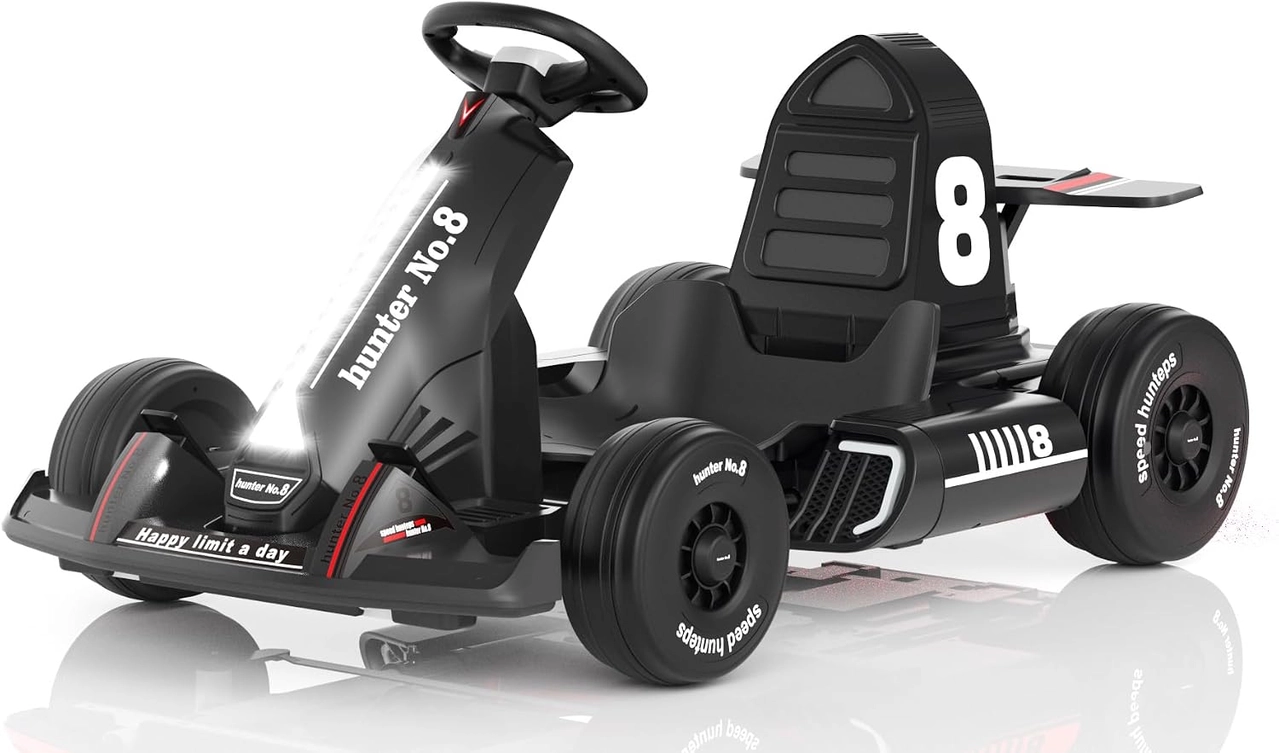
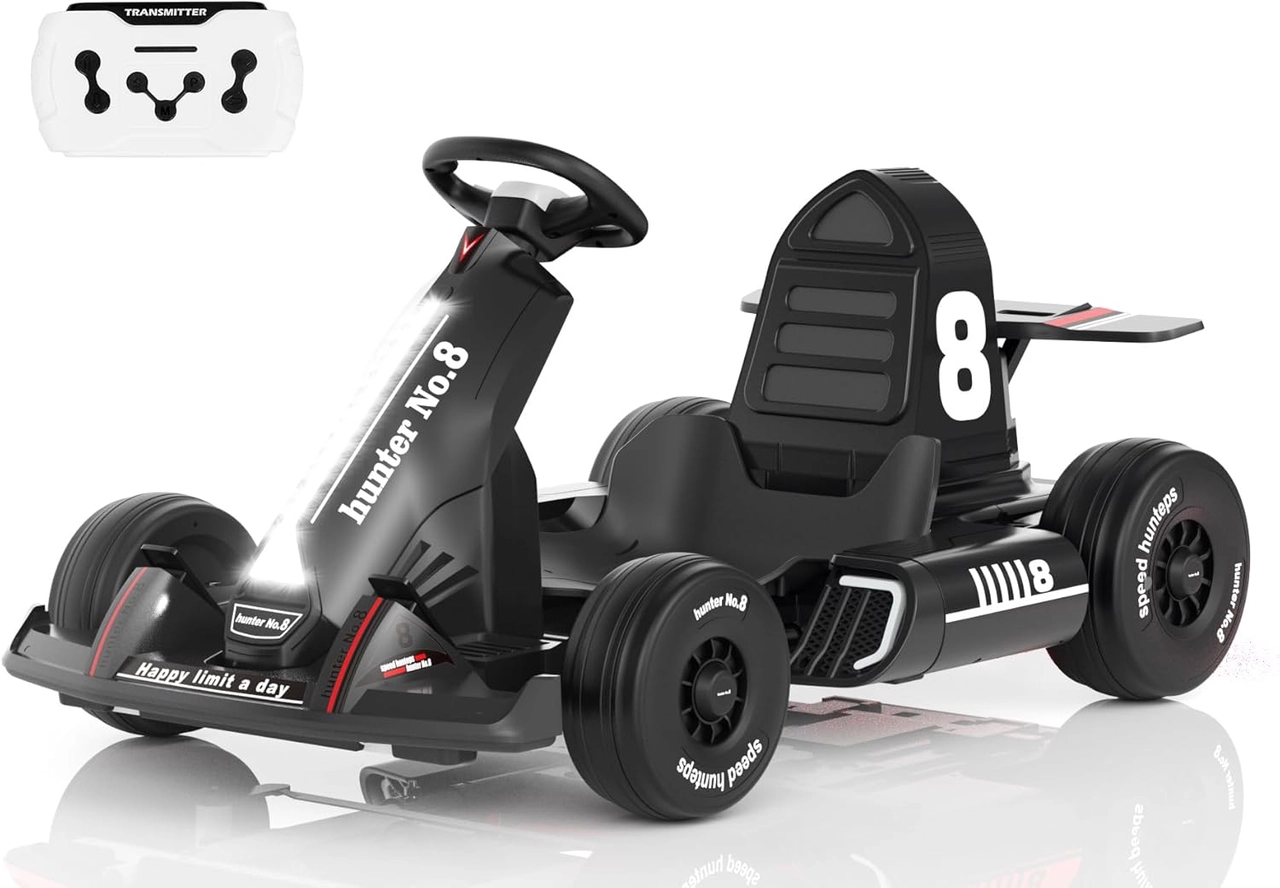
The XJD Black 12V and XJD Black 24V Kids Go Karts both use adjustable-length layouts, but their speed and electrical systems differ. They give useful context for checking indexed positions and child reach while showing why mounting hardware cannot be assumed interchangeable merely because the body color and general seat shape match.
Practical checklist
- Test the empty seat from every direction.
- Lock the exact approved adjustment points.
- Inspect belt anchors with the mounts.
- Repeat the child's pedal and steering reach check.
Frequently asked questions
Is a little movement normal in an adjustable go kart seat?
Use the exact manual; new, increasing, asymmetric, or clicking movement should be resolved before a child rides.
Can I add washers to stop a loose seat?
Only the specified washer order is safe. Extra hardware can change engagement and conceal damaged mounts.
Before making the final choice, revisit the exact route or driving area at the time it will normally be used. A setup that works during a quiet test may need more room, visibility or adult support when other people and everyday obstacles are present.
Bottom line
Use the answer to kids go kart seat loose as a decision process, not a shortcut. Confirm the live product data and manual, match the rider to the controls and setting, and favor repeatable control over a larger size or higher performance label.


