Kids Go Kart Brake Pedal Feels Different: What to Check
When a kids go kart brake pedal feels different—softer, harder, sticky, delayed or inconsistent—the child should stop driving immediately. Ride-on control designs vary, and some pedals interact electronically or mechanically with propulsion. Do not keep testing at speed or apply lubricant until the exact manual identifies the system.
Describe the change precisely
Ask when the feel changed and whether it followed debris, water, charging, transport or an impact. Record whether the pedal returns, whether the kart coasts differently and which mode was active. Do not repeatedly reproduce the symptom with the child seated.
Power down for a visual check
Keep hands clear of drive parts and look around the accessible pedal for stones, tangled material, cracks or rubbing trim. Check that a floor mat, shoe or loose object is not obstructing travel. Never remove an electrical cover to look farther.
Inspect wheels and route
A blocked wheel, steep slope or loose surface can feel like a brake problem. On a clean level area, inspect all wheels for debris, damage and resistance with power off. This rules out simple external causes without assuming the pedal itself is safe.
Use the adult remote cautiously
If the manual provides an approved no-rider diagnostic, keep everyone clear and use the lowest setting. Stop for delayed response, failure to stop, jerking, grinding, heat or odor. The remote is a supervision tool, not a repair for unreliable pedals.
Escalate safety-critical faults
Do not adjust switches, cables, wiring or brake hardware from a different kart's instructions. Provide the exact model and symptom to qualified support. Resume only after approved repair and a successful adult-controlled empty test.
How current product examples clarify the choice
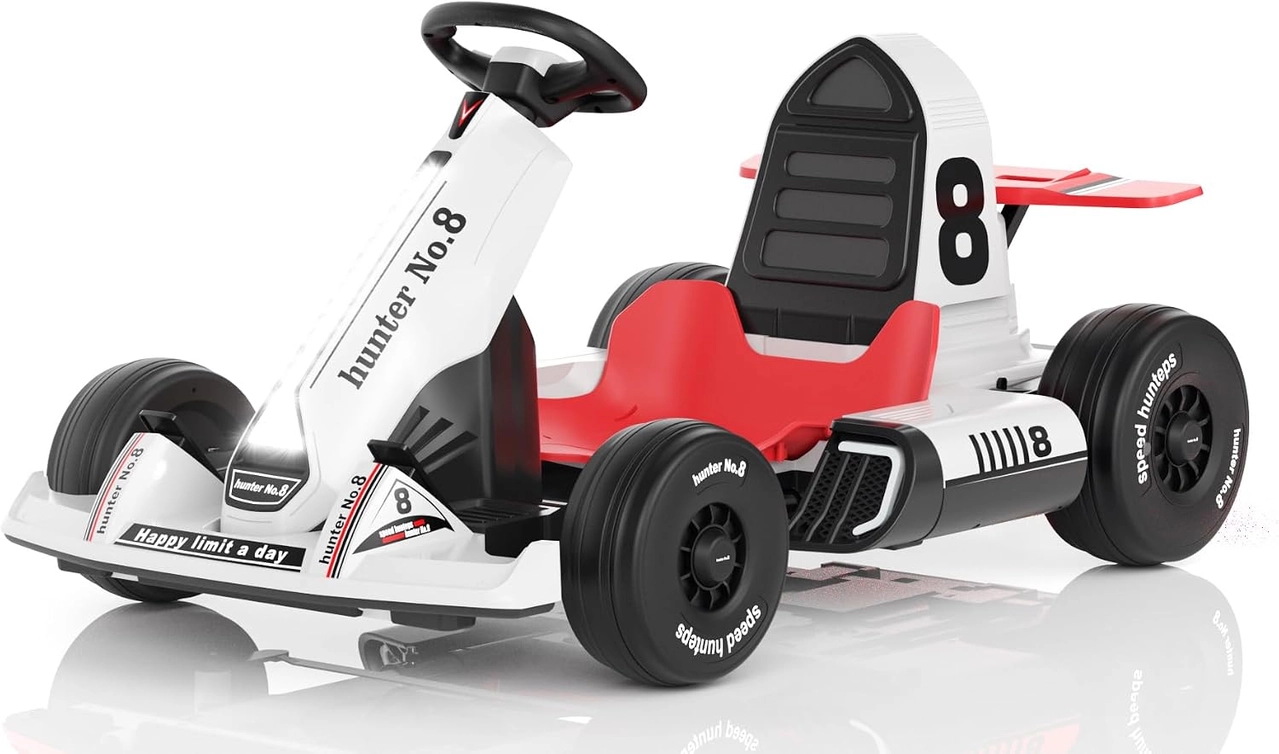
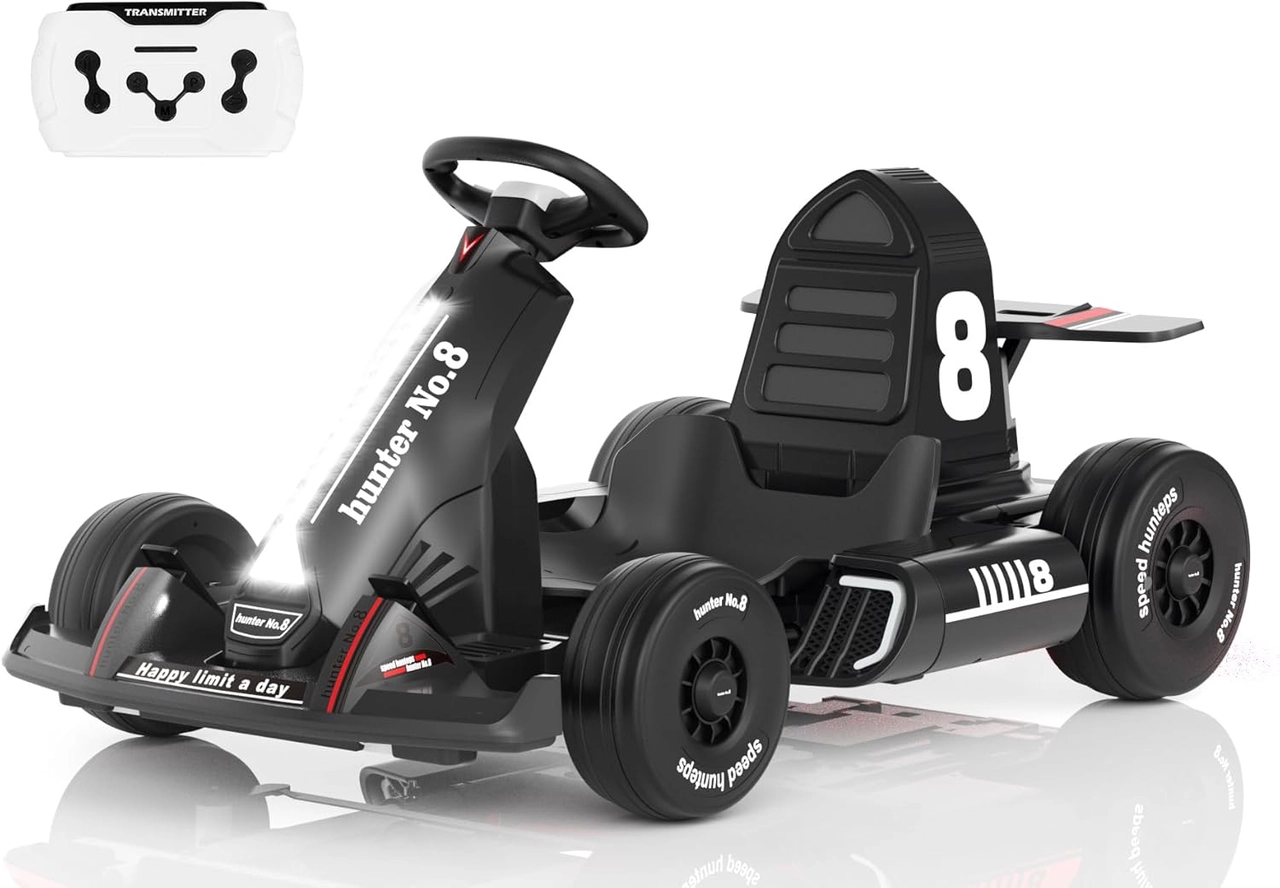
The XJD White 12V Kids Go Kart and XJD Black 24V Kids Go Kart both list pedal controls for acceleration and braking plus a parent remote. Their different voltage and speed tiers make model-specific diagnosis essential even when the pedal layout appears similar.
Practical checklist
- Stop child use immediately.
- Record exactly how feel changed.
- Check for debris with power off.
- Use only approved no-rider diagnostics.
Frequently asked questions
Can I spray lubricant on a sticky pedal?
No. Lubricant can damage materials or reach electrical and braking parts; follow the exact service instructions.
Can the parent remote replace the brake pedal?
No. A control fault must be repaired before normal use.
Before making the final choice, revisit the exact route or driving area at the time it will normally be used. A setup that works during a quiet test may need more room, visibility or adult support when other people and everyday obstacles are present.
Bottom line
Use the answer to kids go kart brake pedal feels different as a decision process, not a shortcut. Confirm the live product data and manual, match the rider to the controls and setting, and favor repeatable control over a larger size or higher performance label.


