Can a Kids Electric Go Kart Go Uphill? What Parents Should Know
Can a kids electric go kart go uphill? Only the exact manual can approve a particular slope, and many children's ride-ons are intended for firm, level private ground. A hill raises the motor load, changes stopping distance and can create rollback or tip risk. If the model does not state a safe grade, treat that as no permission to test one.
Start with the manual, not voltage
A 24V label does not prove hill approval, and a 12V label does not describe the whole drive system. Check the stated surface, slope, rider weight and operating limits for the exact kart. Marketing phrases such as all-terrain cannot replace an angle or route requirement in the operating instructions.
Why hills increase load
The motor must work harder to lift the combined kart and rider. A steep grade, grass, gravel, sand or excess load can compound resistance and trigger thermal protection or rapid slowing. Repeatedly pressing the pedal when the wheels stall can overheat components. Stop, switch off and move the kart manually as instructed.
Downhill control is the larger concern
A route that climbs also has to descend. The child must not depend on motor resistance or a parent remote as a substitute for the kart's normal stopping system. Keep away from driveways that slope toward roads, water, stairs or walls. An adult should be able to reach the child immediately.
Use a level-ground readiness test
With a full approved charge and the lowest suitable setting, practice a straight start, stop line and two wide turns on firm level ground. Check seating, belt, steering and pedal reach with power off first. If speed changes sharply under normal load or the child misses a stop, the session ends rather than moving to harder terrain.
Know when the kart needs inspection
New slowing, repeated cutouts, burning odor, unusual heat, clicking, wheel slip or steering change calls for shutdown. Inspect only user-accessible items named in the manual. Do not bypass protection, change battery voltage or let the child make another hill attempt to diagnose the system.
How current product examples clarify the choice
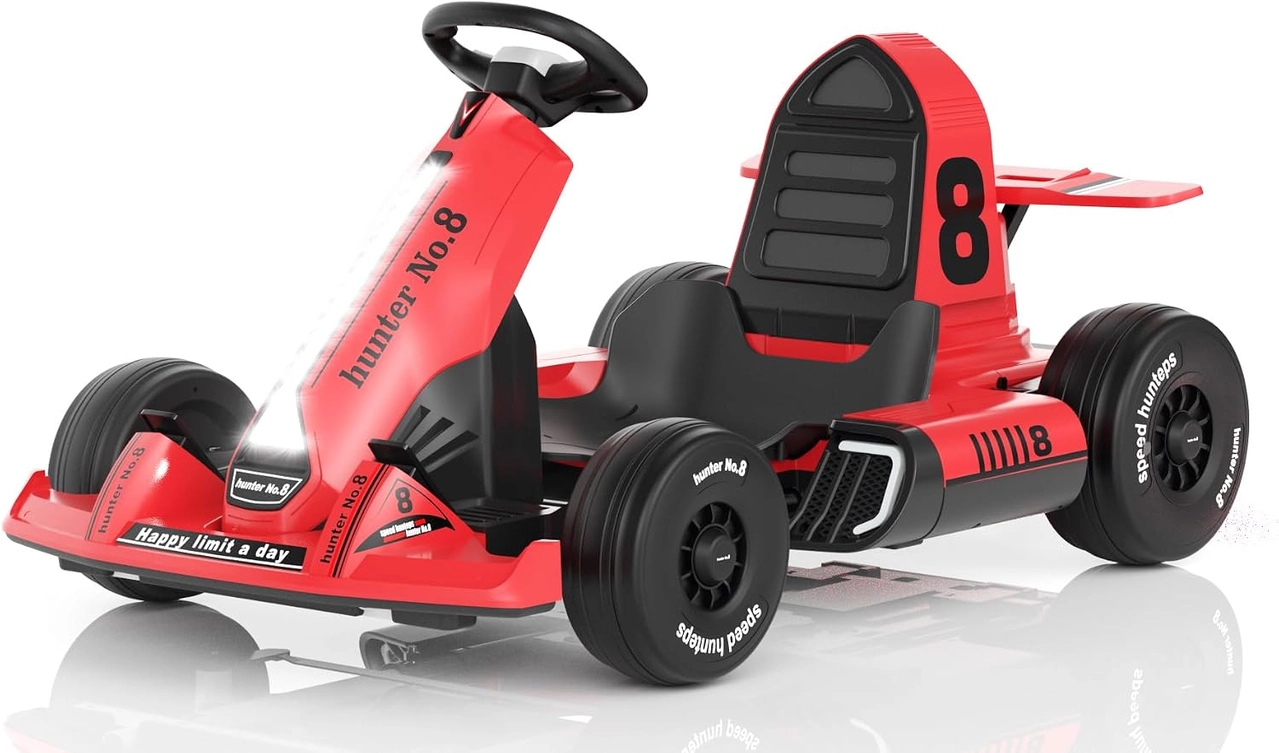
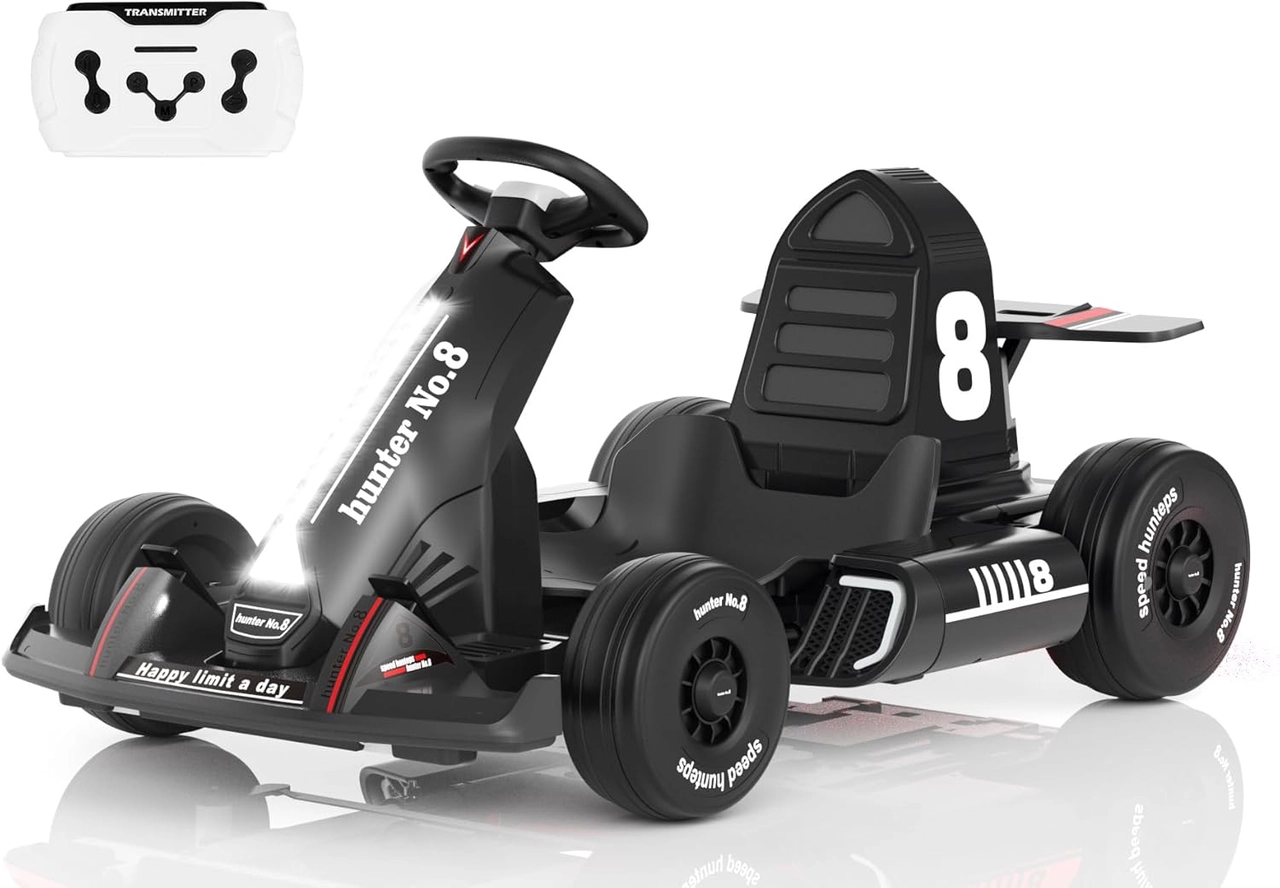
The XJD Red 12V Kids Go Kart lists a top speed up to 4.97 mph, while the XJD Black 24V Kids Go Kart lists up to 7.5 mph; both have adjustable length, a seat belt and parent/manual control modes. Those differences help compare performance tiers, but neither voltage nor top speed by itself authorizes hill use.
Practical checklist
- Use only manual-approved grades and surfaces.
- Keep the route away from downhill hazards.
- Never exceed the stated load.
- Stop immediately for heat, odor or repeated cutouts.
Frequently asked questions
Does a bigger battery make a kids kart safe on hills?
No. Grade approval depends on the complete design, brakes, load and instructions, not voltage alone.
Can the parent remote stop a rollback?
Do not plan a route around remote intervention; use only approved terrain and direct adult supervision.
Before making the final choice, revisit the exact route or driving area at the time it will normally be used. A setup that works during a quiet test may need more room, visibility or adult support when other people and everyday obstacles are present.
Bottom line
Use the answer to can a kids electric go kart go uphill as a decision process, not a shortcut. Confirm the live product data and manual, match the rider to the controls and setting, and favor repeatable control over a larger size or higher performance label.


