Kids Go Kart After-Impact Inspection
A kids go kart after-impact inspection begins with the child, not the toy. Stop, power down and check for injury after any collision, curb strike or hard drop. Even when the rider feels fine and the body springs back, steering, wheel, restraint, frame or electrical damage may make another lap unsafe.
Secure the scene
Move other riders away and prevent anyone from pressing pedals or remote buttons. Follow appropriate first-aid or medical guidance for the child. Do not restart the kart simply to see whether it still moves before completing the manual's inspection.
Record where the kart was struck
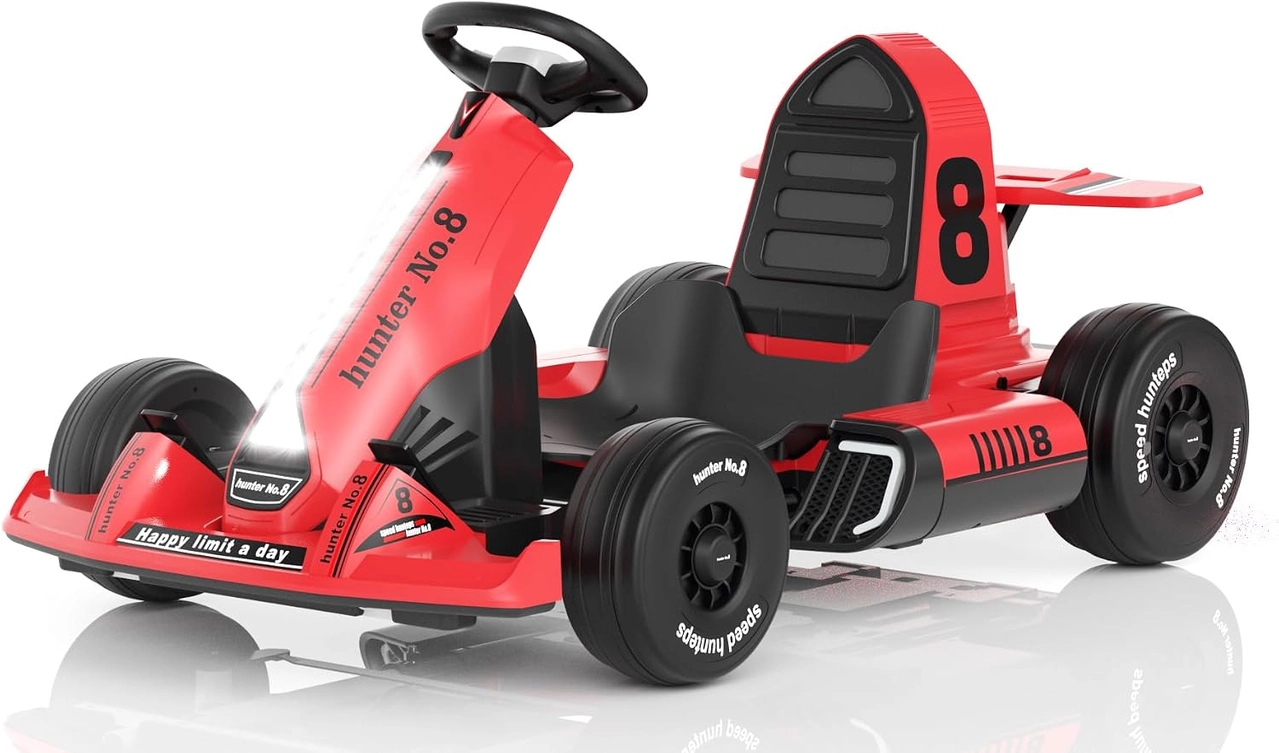
Photograph the affected corner, route and visible marks before straightening panels. Note speed mode, surface and whether a wheel or steering control changed position. This information helps support identify which assemblies need closer service.
Inspect structure and restraint
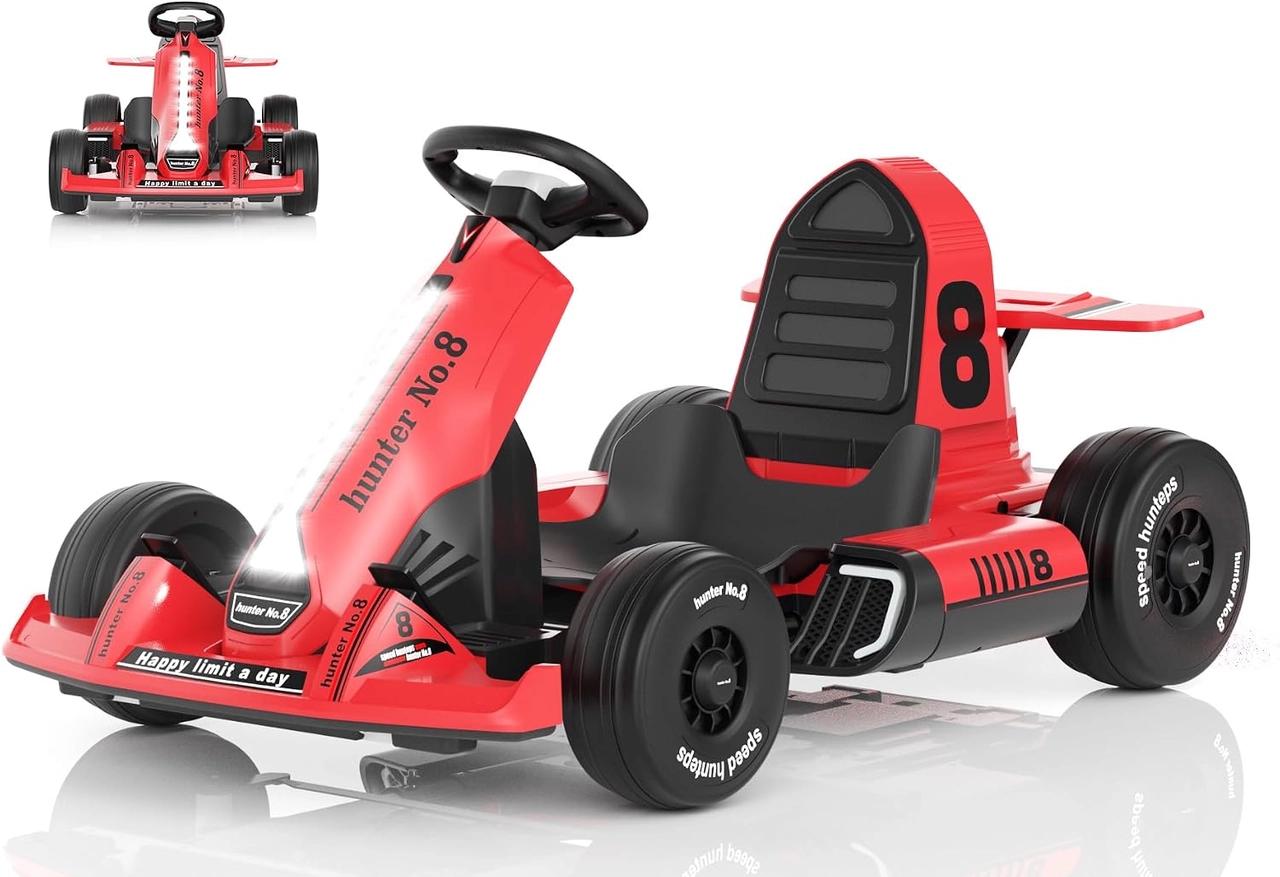
With charging disconnected, check accessible frame areas, body panels, seat, belt webbing, buckle and anchors for cracks, sharp edges, looseness or deformation. Do not remove electrical guards or repair a shell with household glue.
Check wheels and steering
Compare all wheel angles, rotate accessible wheels safely and turn steering through its intended range. Stop for rubbing, binding, wobble, a shifted guard or new noise. Never bend a link or axle back into visual alignment.
Watch for electrical symptoms
Heat, odor, damaged wiring, battery movement, flickering controls or unexpected motor behavior requires isolation and approved service. After all checks pass, an adult performs a lowest-speed remote test in a clear area before child use resumes.
How current product examples clarify the choice
The XJD Red 12V Kids Go Kart and XJD Red 24V Kids Go Kart share reinforced belts, wrap-around seats and molded bodies, but the 24V model has a higher listed top speed. Impact assessment should reflect the exact model and event, not color similarity.
Practical checklist
- Check the child first.
- Record the impact location.
- Inspect seat, belt, wheels and steering.
- Stop for any electrical change.
Frequently asked questions
Can the kart be used if only the plastic is scratched?
A surface mark may be minor, but inspect nearby frame, mounts, wheels and wiring before deciding.
Should I test it with the child seated?
No. Complete an adult-controlled empty test only after the stationary checks pass.
Before making the final choice, revisit the exact route or driving area at the time it will normally be used. A setup that works during a quiet test may need more room, visibility or adult support when other people and everyday obstacles are present.
Bottom line
Use the answer to kids go kart after-impact inspection as a decision process, not a shortcut. Confirm the live product data and manual, match the rider to the controls and setting, and favor repeatable control over a larger size or higher performance label.


