How to Store a Kids Electric Go Kart for Winter
Learning how to store a kids electric go kart for winter means protecting both the vehicle and its rechargeable battery. Cold, moisture, dirt and a long partial discharge can affect the first spring drive. The exact manual controls charging intervals and temperature limits, so record the model and voltage before putting the kart away.
Clean and inspect before storage
Turn the kart off, remove the child and follow the manual before cleaning. Wipe loose dirt without spraying water into switches, motors, the charging port or audio panel. Check tires, body, belt, seat, steering and visible wiring for damage. A wet or damaged kart should not be covered and forgotten.
Complete the approved charge routine
Use only the charger specified for the exact 12V or 24V product. Charge in the adult-supervised, ventilated location and for the duration stated by the manual. Keep the kart and charger away from exits, bedrooms, heaters and combustible clutter. Stop for a damaged cord, swelling, leakage, unusual heat, odor or sound.
Choose stable winter conditions
Store indoors in the temperature and humidity range provided by the manufacturer, away from freezing drafts, direct heat and sunlight. Park on a firm level surface where the kart cannot roll or be climbed on. Do not seal damp equipment in plastic or stack objects on the seat, steering wheel or body.
Maintain the battery on schedule
Recharge during storage only at the interval and method in the exact manual. Use a dated reminder rather than guessing from memory. Never allow a child to connect the charger, substitute a charger by plug shape or combine 12V and 24V equipment. If a removable battery procedure is not documented, leave it to qualified support.
Wake the kart up safely
In spring, inspect the charging port, cord, wheels, steering, belt and accessible fasteners before power-up. An adult completes a no-child test, then checks low-speed movement, stopping and remote response on clear level ground. A short runtime, clicking, pulling, heat or odor ends the test and prompts support.
How current product examples clarify the choice
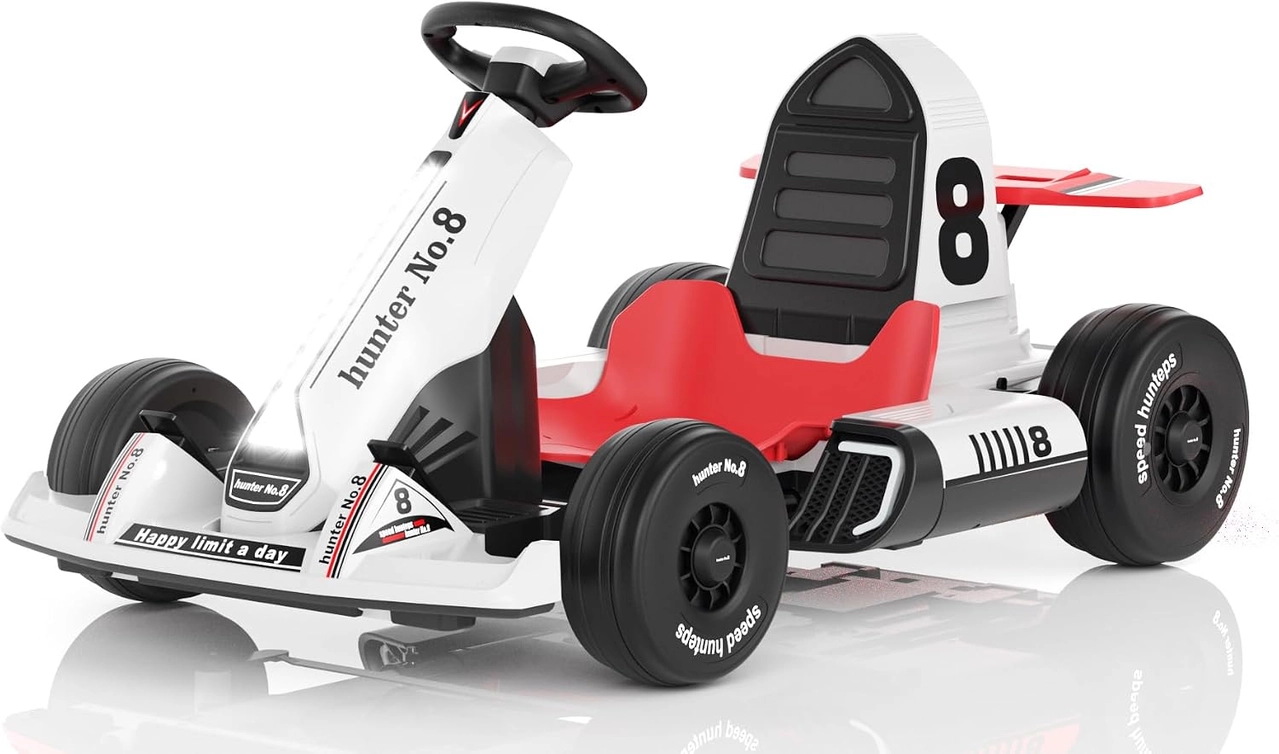
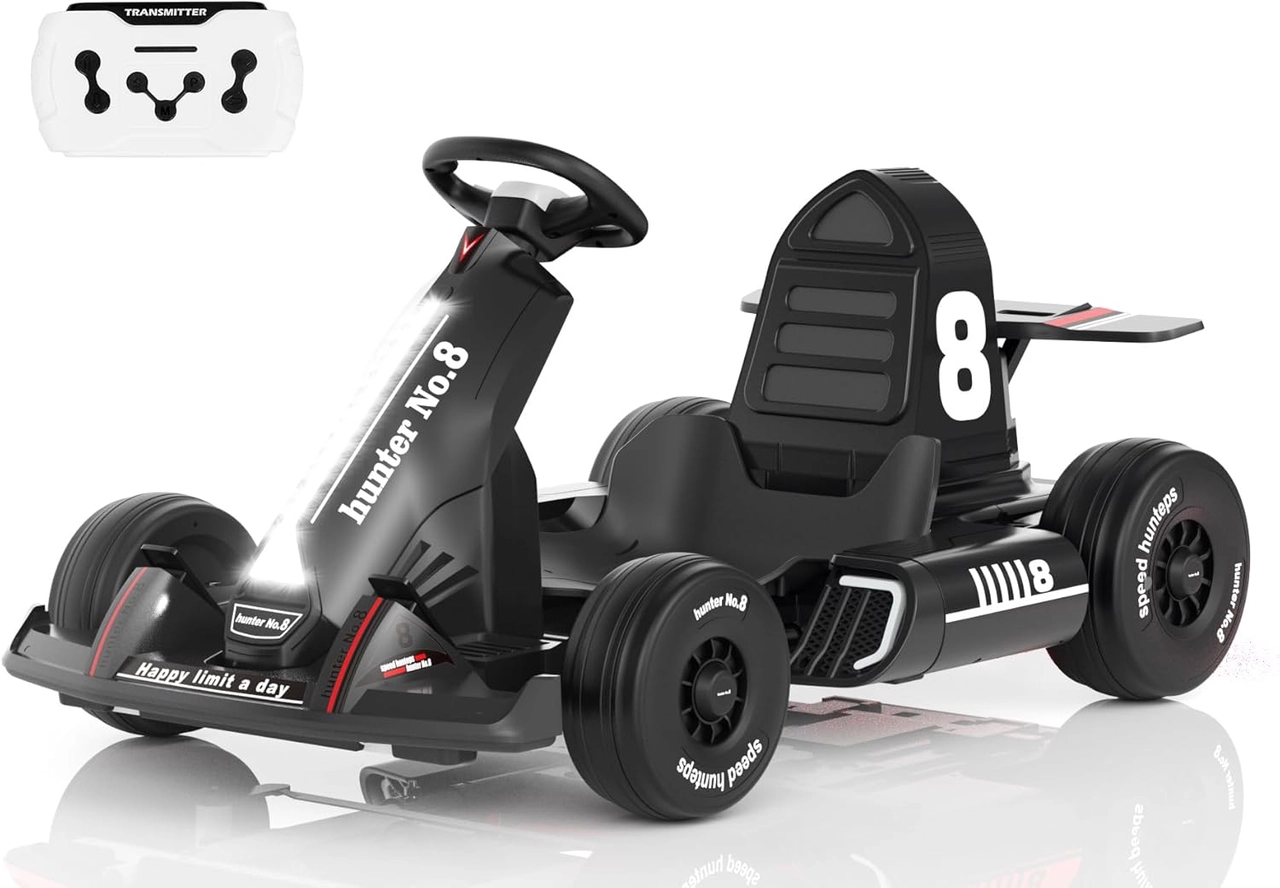
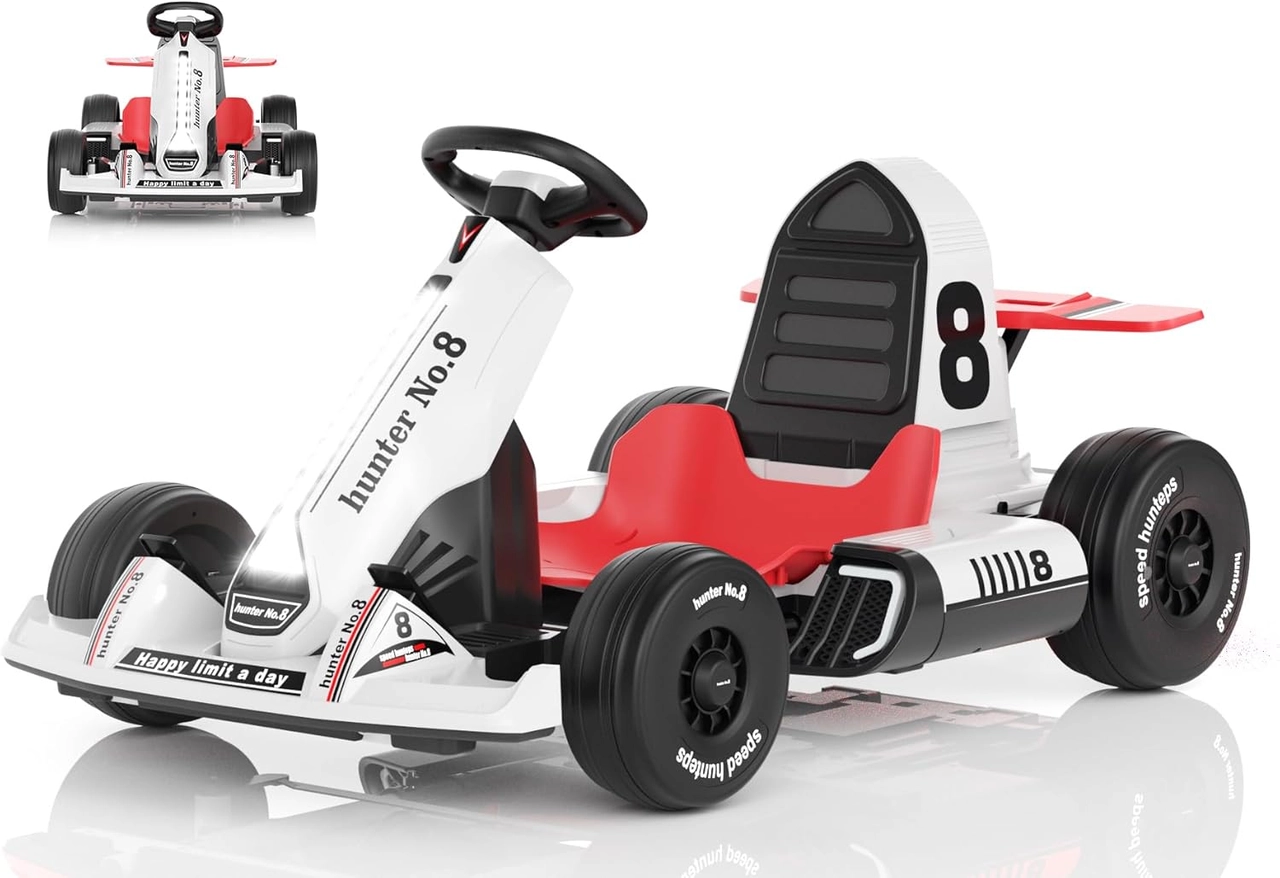
The XJD White 12V Kids Go Kart uses a 12V 7Ah battery, while the XJD Black 24V Kids Go Kart and XJD White 24V Kids Go Kart use 24V 7Ah systems. All three list adjustable length, belts and parent/manual modes. These examples show why chargers and storage instructions must stay matched to the exact voltage even when the karts look similar.
Practical checklist
- Clean and dry before covering.
- Use only the exact approved charger.
- Follow the manual's storage-charge interval.
- Complete an adult spring function test.
Frequently asked questions
Can I use a 24V charger on a 12V kids kart?
No. Match the charger to the exact product and manufacturer specification, not the connector shape.
Should the battery be left empty all winter?
No. Follow the exact storage-charge schedule; long-term partial or full discharge can damage rechargeable batteries.
Before making the final choice, revisit the exact route or driving area at the time it will normally be used. A setup that works during a quiet test may need more room, visibility or adult support when other people and everyday obstacles are present.
Bottom line
Use the answer to how to store a kids electric go kart for winter as a decision process, not a shortcut. Confirm the live product data and manual, match the rider to the controls and setting, and favor repeatable control over a larger size or higher performance label.


