Kids Electric Go Kart Won't Charge: A Safe Checklist
When a kids electric go kart won't charge, begin with the exact model manual and supplied charger. A switched-off outlet, loose external plug, wrong charging sequence, incompatible voltage, damaged cord or an aging battery can produce similar symptoms. Adults should perform these checks with the kart off; children should never connect the charger or handle the battery.
Confirm the correct charger
Match the charger label to the kart's specified voltage, output, connector and manufacturer guidance. A plug that fits does not prove electrical compatibility. Never use a 24V charger on a 12V kart, substitute an automotive charger or modify a connector. If the original charger cannot be identified, stop and obtain the exact approved replacement.
Test the power source and sequence
Check the wall outlet with a known working low-risk device and confirm any wall switch is on. Then follow the manual's order for connecting the kart and outlet. Seat the external plug fully without twisting or forcing it. Avoid extension cords unless the charger instructions explicitly permit one, and keep the charging area dry and ventilated.
Read the indicator in context
Record whether the charger has no light, changes color, flashes or stays one color immediately. Indicator meanings vary by charger; green can mean full or standby on some models, while another system uses different patterns. Use the label and manual for this charger rather than a generic color chart. Note the time of each change for support.
Inspect only visible safe areas
With the charger unplugged, look at the cord, case, connector and charging port for cuts, looseness, bent contacts, discoloration or debris. Do not insert metal tools, open the charger, bypass a fuse or bridge terminals. Stop immediately for swelling, leakage, unusual heat, odor, smoke or a hissing sound and follow the manufacturer's safety process.
Know when to contact support
If a verified outlet and correct charger do not begin the documented sequence, the charger, port, battery, fuse or wiring may need testing. Provide the model, voltage, charger label, indicator pattern and recent storage history to qualified support. Do not repeatedly reconnect a suspect battery or attempt a higher-voltage charge as a test.
How current product examples clarify the choice
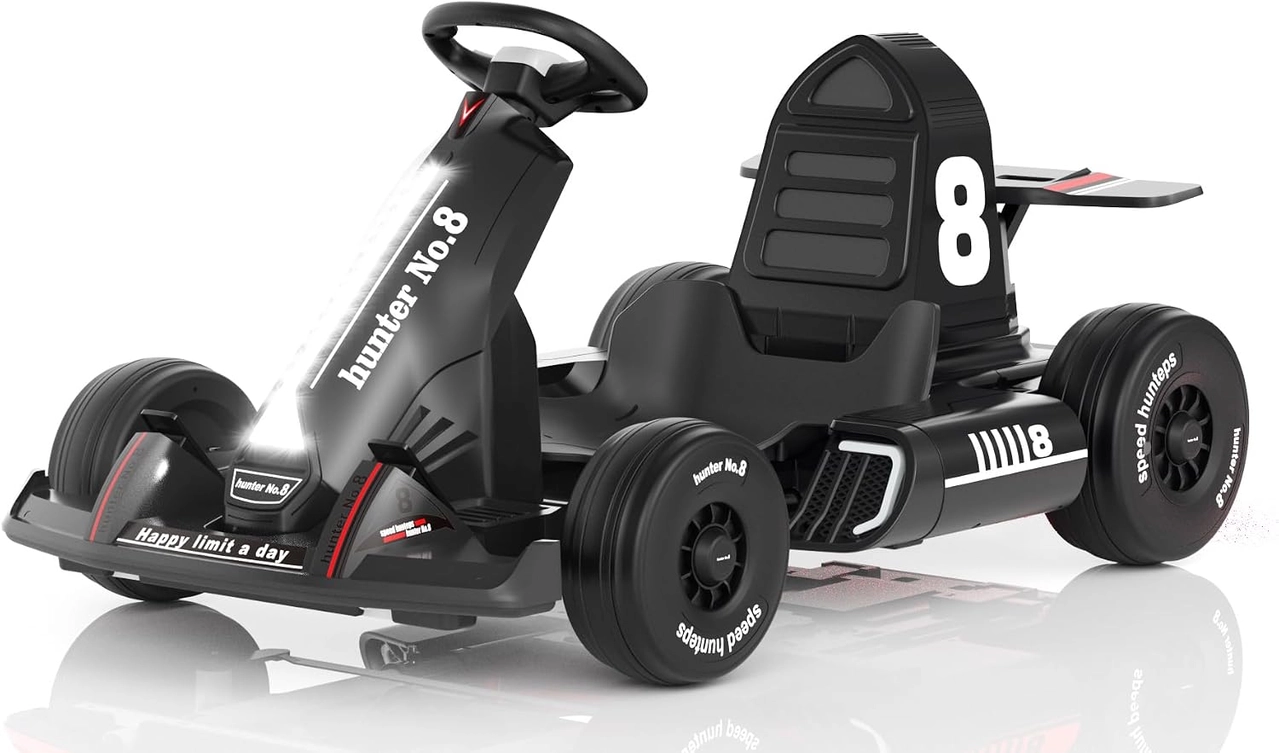
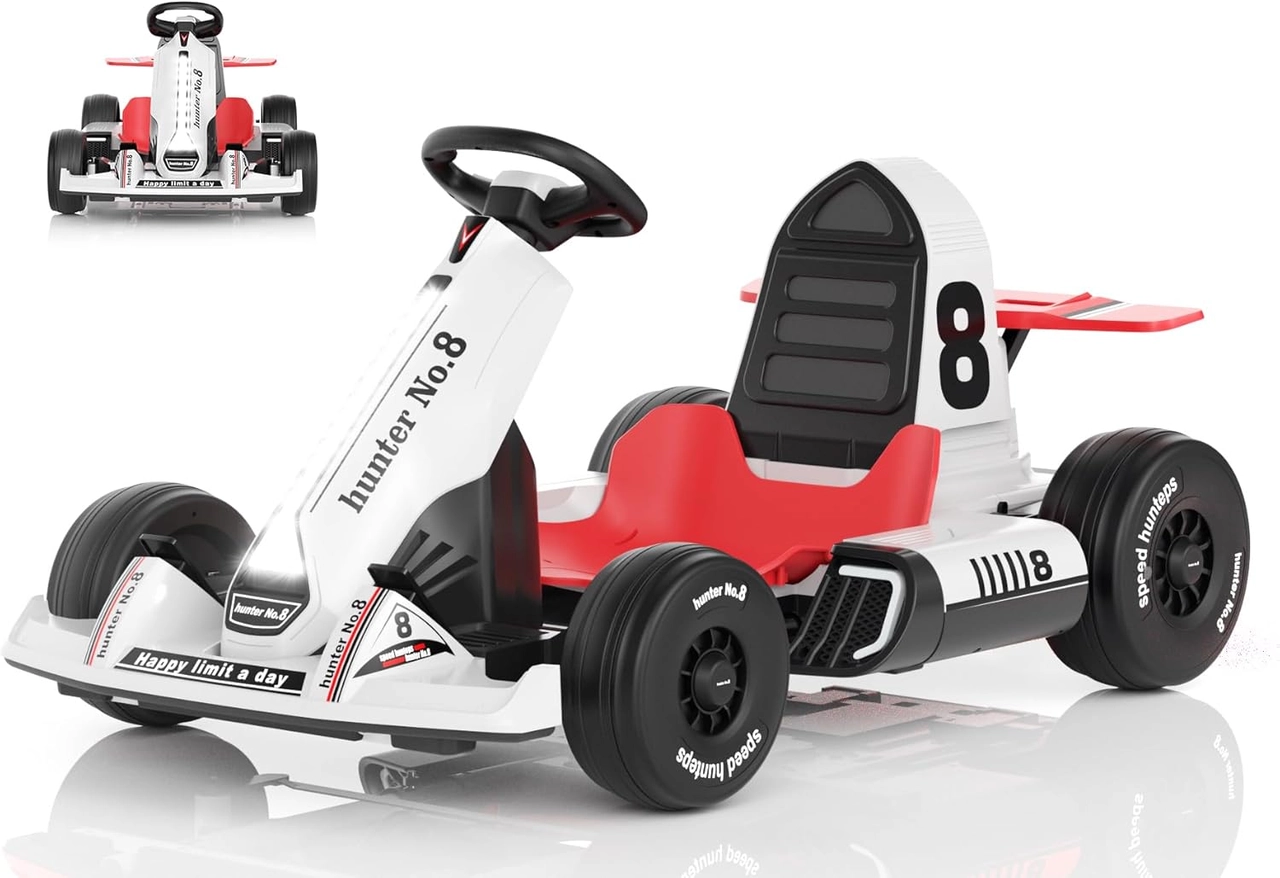
The XJD Black 12V Kids Go Kart uses a 12V 7Ah system, while the XJD White 24V Kids Go Kart uses a 24V 7Ah system. Both have similar ride-on features, but their charging equipment is not interchangeable. These current products illustrate why color or connector shape cannot replace the voltage and model label.
Practical checklist
- Keep children away from charging.
- Match charger and kart specifications exactly.
- Record the actual indicator sequence.
- Stop for damage, heat, odor or swelling.
Frequently asked questions
Why is there no light on my kids go kart charger?
First verify the outlet and connection sequence. If the manual expects a light and none appears, stop using the charger and contact support.
Can I test the kart with a different-voltage charger?
No. An incompatible charger can damage the battery and create fire or electrical hazards.
Before making the final choice, revisit the exact route or driving area at the time it will normally be used. A setup that works during a quiet test may need more room, visibility or adult support when other people and everyday obstacles are present.
Bottom line
Use the answer to kids electric go kart won't charge as a decision process, not a shortcut. Confirm the live product data and manual, match the rider to the controls and setting, and favor repeatable control over a larger size or higher performance label.


