Black 12V XJD Go Kart: A Parent's Setup and First-Week Guide
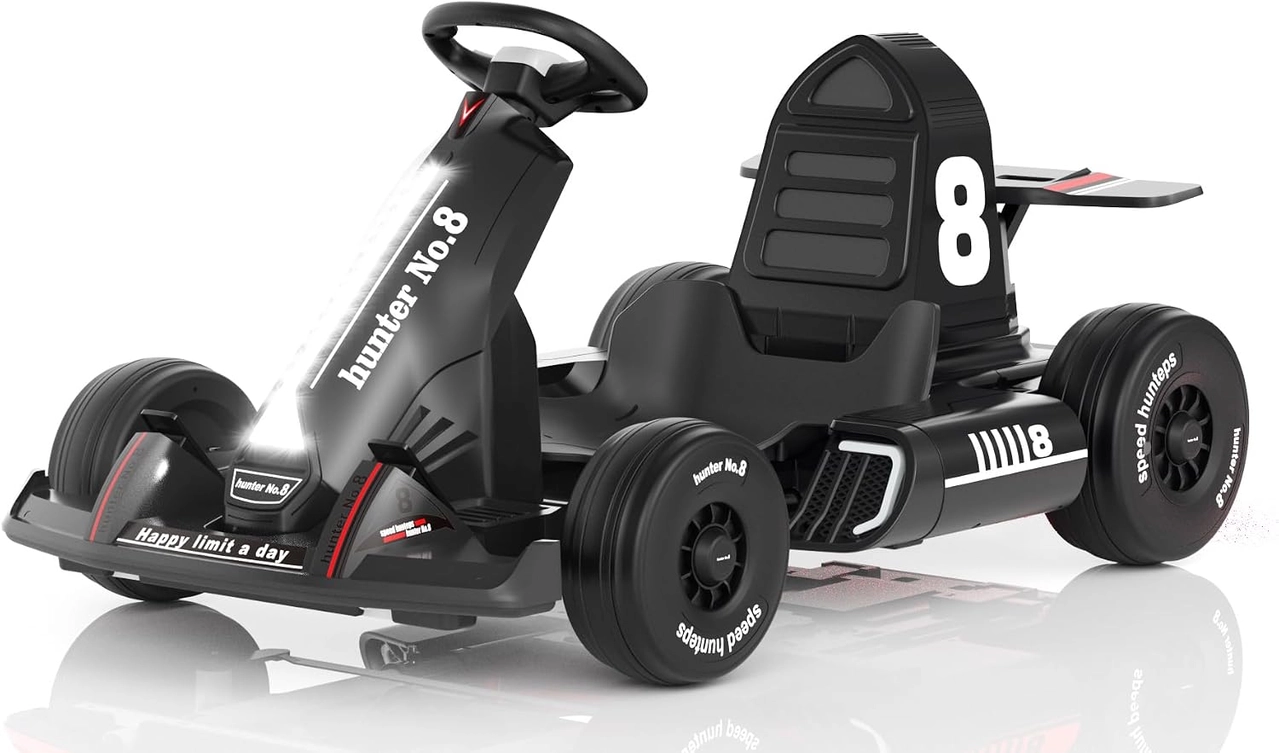
A black 12V XJD go kart can make an exciting family gift, but the best first week is usually the least rushed one. Instead of opening the box and immediately planning a long drive, give yourself time to check the assembly, learn the controls, confirm the rider's fit and build one skill at a time.
This guide uses the current XJD Electric Go Kart for Kids – Black 12V listing as its product example. The listing describes a 12V dual-drive system, speed up to 4.97 mph, a 12V 7Ah battery, child pedal operation, a parent remote, adjustable body length and a wrap-around seat with a reinforced belt. The supplied manual remains the final authority for assembly and use.
Before day one: prepare the space
Choose a dry, level and traffic-free area that the adult can see from end to end. Remove cars, bins, garden tools, cords, toys and loose stones. Keep the route away from streets, steps, pools, slopes and drop-offs. A parent remote can support supervision, but it cannot make an unsuitable location safe.
Mark a start box, a wide turning point and a stopping line. Walk the route at a child's eye level. If a parked vehicle or hedge hides part of the path, change the route before using the kart.
Day one: inspect and learn without power
Complete assembly exactly as directed. Check visible fasteners, wheels, steering, seat adjustment, restraint and pedal area. With power off, have the child sit fully back and reach the controls without stretching or sliding forward. The listing gives an age reference of 37–96 months, but age does not replace a physical fit and readiness check.
Ask the child to point to the go and stop controls, then practice the words “start,” “stop” and “wait.” Keep the first lesson short. A calm child who can follow a stop command is better prepared than a child who is focused only on speed.
Day two: test the adult controls
Read the remote-control instructions and test the system before the child drives. Confirm how the adult can intervene and what happens when the signal or battery is interrupted. Stay close enough to act physically; do not supervise from inside the house or rely on the remote as an automatic safety system.
Let the child move straight for a few feet and stop at a visible marker. Repeat until the response is consistent. Do not add turns until starting and stopping look controlled.
Days three and four: add wide turns
Use two large markers to create a broad loop. Encourage the child to look toward the next marker instead of down at the pedal. Keep speed and distance within the limits of the space. If steering becomes abrupt, return to straight-line practice.
The product description lists wear-resistant PP+PA wheels and shock absorption, but that does not turn the kart into a road or off-road vehicle. Use only surfaces permitted by the manual and stop when the surface is wet, loose or uneven enough to affect control.
Days five to seven: build a repeatable routine
- Inspect the route, wheels, controls, seat and restraint before every session.
- Use a correctly fitted helmet and the protective equipment recommended by the product instructions.
- Keep entertainment controls for stopped moments so attention remains on driving.
- End the session when the child becomes tired, distracted or unwilling to follow boundaries.
- Park, power off and store the kart in a dry place after use.
Charge with an adult present
The listing describes a 12V 7Ah battery and approximately one to two hours of driving per full charge, but actual use can vary with the rider, surface and battery condition. Follow the manual for charging time and sequence. Use the supplied charger, inspect the cable and connector, and do not charge while the household is asleep.
Stop using the battery or charger if you notice swelling, leaking, unusual heat, damage or odor. Keep the charging area dry and away from exits and combustible clutter.
Keep the black finish easy to care for
Dust is more visible on a black body, so use a soft damp cloth after outdoor play and dry the surfaces afterward. Do not spray water into electrical areas or use aggressive cleaners. Inspect the body for damage while cleaning; appearance care is also a useful chance to notice a loose or worn part.
A better first week
The black 12V XJD go kart is easiest to enjoy when your family treats the first week as instruction, not a performance test. Prepare the route, confirm fit, teach stopping before turning and keep every session supervised. That steady start gives the child time to understand the kart while the adults learn the maintenance and charging routine.
Compare the other color options
Compare this black kids go kart with the red 12V kids go kart and white 12V kids go kart. Browse the full Kids Go Kart collection, then review the red go kart first-drive plan and white go kart fit guide for related setup ideas.


