Why Should Kids Ride Go Karts? The Case for the White Go Kart
Every parent knows the look: a child spots a go kart and instantly imagines themselves behind the wheel. That pull is not just about speed. A kids go kart gives children a first taste of steering, accelerating, braking and judging space — real coordination skills disguised as pure fun. And when the kart is white, the experience comes with a clean, race-inspired look that kids and parents both tend to love.
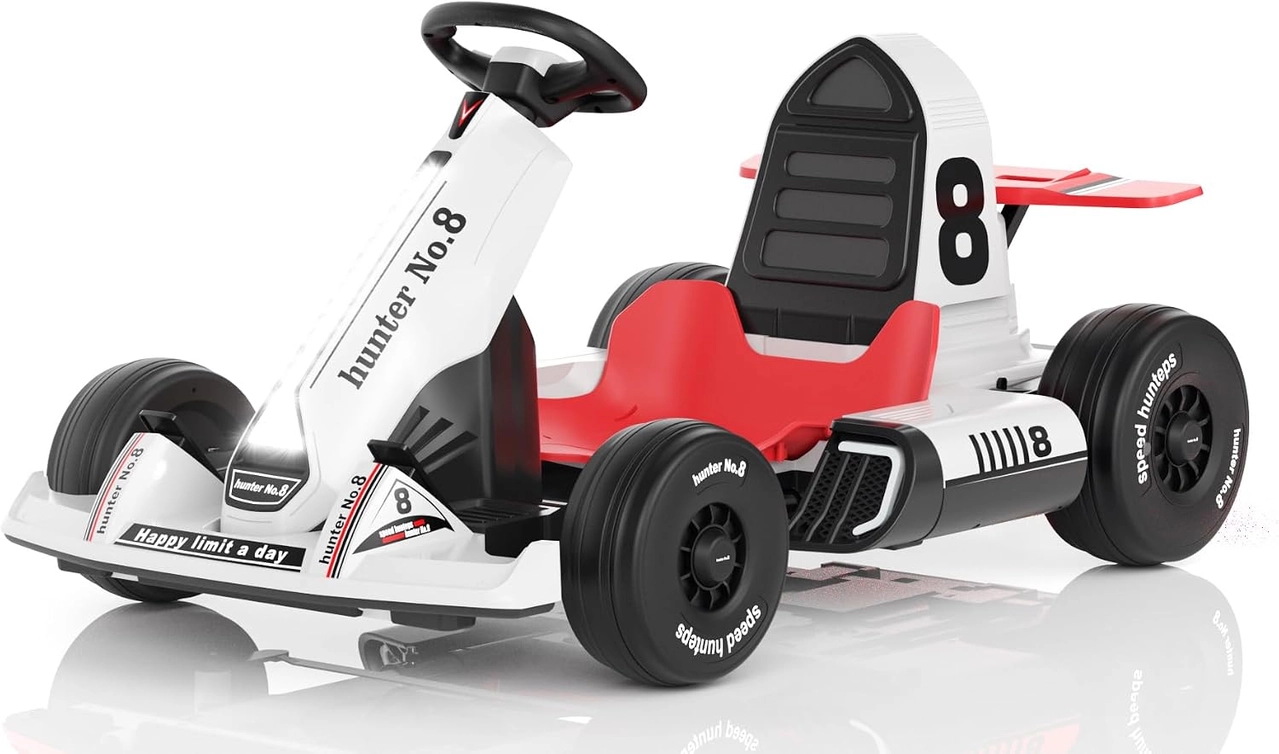
This guide explains why go karts are genuinely good for children, what developmental benefits they deliver, and why the white go kart has become a favorite pick for families shopping our Kids Go Kart collection.
Kids Learn Real Driving Skills Early
A go kart is often a child's first experience of controlling a vehicle. Steering teaches hand-eye coordination. The accelerator and brake pedal teach cause and effect: press here, the kart moves; press there, it stops. Over weeks of practice, children internalize spacing, turning radius and stopping distance — concepts that later make them safer cyclists and, eventually, safer teenage drivers.
Electric karts like the XJD white 12V electric go kart pace this learning well. The speed is modest enough for a beginner, while the controls feel real enough to matter.
Confidence Grows Lap by Lap
Watching a cautious four-year-old become a decisive six-year-old driver is one of the quiet joys of kart ownership. Early sessions are slow, wide and supervised. Then comes the first full lap without help, the first confident reverse, the first time they brake for a marker without being told. Each milestone is theirs.
Psychologists call this mastery motivation: the internal drive children get from seeing their own skill improve. A go kart delivers it in a format kids beg to practice. The bright, showroom-clean look of a white go kart adds to the pride of ownership — this is "my race car," not just another plastic toy.
Outdoor Play Beats Screen Time
A charged kart in the garage is a powerful argument against the tablet. Go kart sessions get children outside in sunlight, engaging large muscle groups as they steer, brace and balance through turns. Sessions naturally include walking the course, setting up cones and inspecting the kart before riding — light activity that adds up.
Families tell us the kart becomes the center of backyard play: siblings time each other, neighbors organize turn-taking, and a plain driveway turns into a race weekend. That social, cooperative play is something a screen rarely provides.
Responsibility Comes With the Keys
Owning a kart teaches care routines that transfer to bikes, scooters and later to cars:
- Pre-ride checks. Helmet on, course cleared, battery indicator glanced at.
- Charging discipline. An adult supervises charging with the supplied charger — a habit the CPSC specifically recommends for battery-powered ride-ons.
- Cleaning and storage. A white kart makes this lesson visible: dust and grass marks show quickly, so children see exactly why wiping the kart down after riding keeps it looking new.
That last point is the hidden superpower of the white finish. On darker karts, grime hides. On a white one, a two-minute wipe-down visibly pays off, which quietly reinforces the maintenance habit.
Why Families Pick the White Go Kart
White has become one of the most-requested finishes in our store, and the reasons are practical:
- Race-robot aesthetic. White with sporty accent graphics reads as "pro circuit," not "preschool." It is the look kids see in motorsport broadcasts and racing games.
- Heat comfort. A light body reflects sunlight, keeping surfaces cooler to touch on bright afternoons than dark finishes.
- Visibility. The bright shell is easy for supervising adults to track across grass, pavement or playground.
- Easy inspection. Cracks, loose screws and worn tread announce themselves against a white background — damage never hides.
The current lineup includes the white 12V model, the white 24V model for older or experienced riders, and the entry white 6V model for the youngest drivers.
Matching Voltage to Age and Skill
Before falling in love with a color, confirm the drive tier fits your rider — see our 6V, 12V and 24V guides for details. In short: 6V suits first-time drivers roughly ages 3 to 6 at gentle walking speed; 12V fits ages 6 to 9 with dual-drive motors; 24V serves confident riders toward age 8 and up at higher speeds that demand real space and supervision.
The XJD white karts in each tier share the same wrap-around seat, seat belt and adjustable pedal frame described on their product pages — always confirm current specifications there before ordering.
Safety: The Non-Negotiables
The benefits above all assume adult supervision. These rules never bend:
- Helmet every ride, fitted snugly.
- One rider, buckled, every session.
- Flat, traffic-free surfaces only — never streets or parking lots.
- Active adult supervision, within reach of young drivers.
- Charge with the supplied charger, attended, per the manual.
Follow these and a go kart is one of the safest powered toys a family can own.
The Bottom Line
Kids should ride go karts because the fun is built on real skills: coordination, judgment, responsibility and confidence that compounds session after session. A white go kart wraps those lessons in the sharpest-looking package on the lot — cool enough that kids take pride in it, practical enough that parents keep choosing it. Browse the full range in our White Go Kart collection and find the tier that matches your driver today.


