Benefits of Go Karting for Kids: The Red Go Kart Advantage
The benefits of go karting for kids reach much further than thrills: every lap builds coordination, confidence and a sense of responsibility. And when the kart is red, young drivers get the classic racing color that makes practice feel like the real thing.
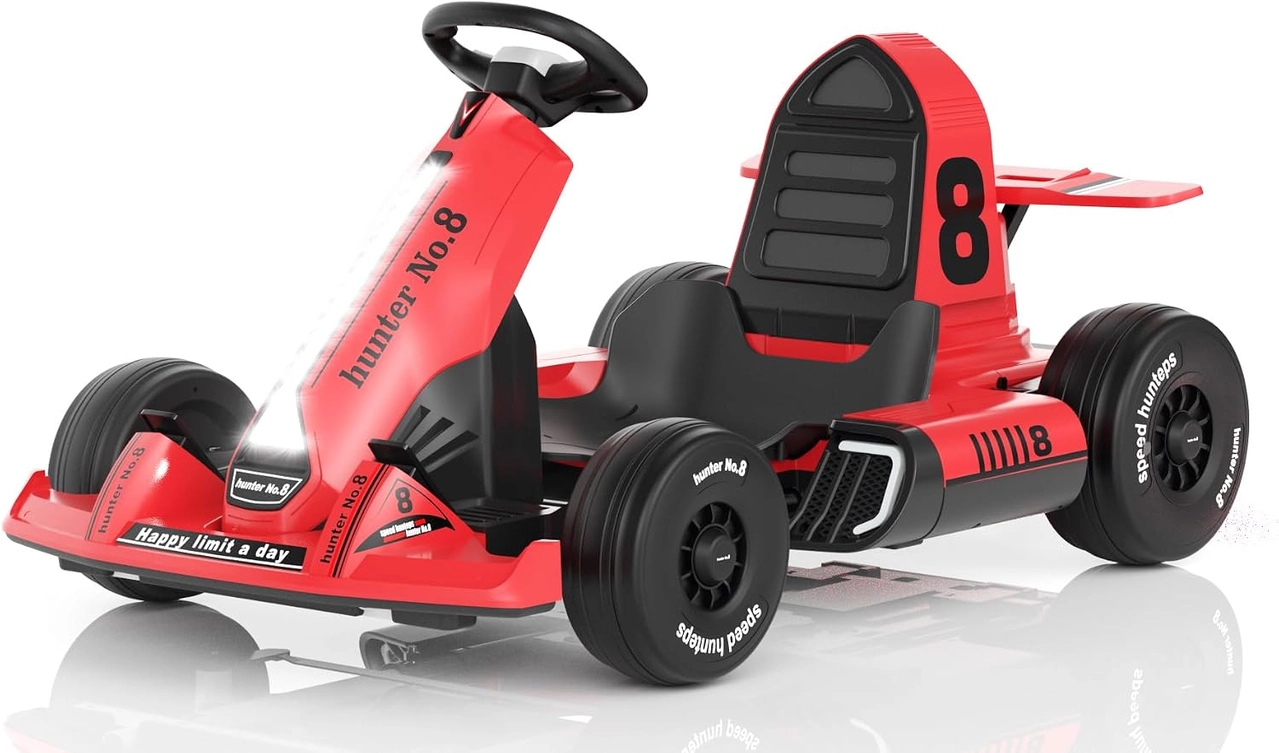
This guide walks through what children actually gain from go karting — real driving skills, screen-free outdoor play and habits that teach responsibility — and why a red go kart is the finish most young drivers ask for first in our Kids Go Kart collection.
What Go Karting Teaches Kids
A go kart is usually a child's first taste of controlling a machine on their own. Steering with one hand while managing a pedal with a foot forces the two sides of the body to cooperate. Judging a corner, lining up a pass between two cones and braking before a marker all train spatial awareness — the same skill that later makes a child a safer cyclist and, years on, a safer teenage driver.
Because the feedback is instant, lessons stick. Press the accelerator and the kart pulls away; ease off and it slows. Turn too early and the line is lost. Electric models like the XJD red 12V electric go kart pace this learning perfectly: speeds stay parent-friendly for beginners while the wheel, pedals and response feel genuinely real.
Confidence That Compounds Lap by Lap
Few toys show progress as clearly as a go kart. The first afternoon is slow, wide and heavily coached. A few weekends later comes the first full lap without help, then the first smooth reverse, then the first braking decision made without being told. Every milestone belongs to the driver, and they know it.
Child-development researchers call this mastery motivation — the internal drive children get from watching their own skill improve. A go kart delivers it in a package kids beg to practice. The red body plays its part here too: this is "my race car," the color they see on Sunday broadcasts, not just another plastic toy in the garage.
Outdoor Play That Wins Against Screen Time
A charged kart waiting in the garage is a powerful argument against the tablet. Sessions happen in sunlight, not ceiling light. Steering, bracing through corners and balancing in the seat keep large muscle groups working, and the play around the driving — walking the course, placing cones, inspecting the kart before a run — quietly adds up to real activity.
Parents tell us the kart becomes the center of backyard social life: siblings time each other, neighbors negotiate turn-taking, and an ordinary driveway turns into race weekend. That cooperative, negotiated play is something a screen almost never provides.
Responsibility Comes With the Keys
Driving privileges give parents a natural way to teach care routines that transfer to bikes, scooters and eventually cars:
- Pre-ride checks. Helmet buckled, course cleared of toys, battery level glanced at before the first lap.
- Charging discipline. An adult supervises charging with the supplied charger — a habit the CPSC specifically recommends for battery-powered ride-ons.
- Cleaning and storage. A two-minute wipe-down after riding, then parking the kart in its spot out of the weather.
Children accept these routines remarkably well when the reward is drive time. Owning a kart they are proud of — and few karts draw pride like a glossy red one — makes the maintenance habit feel like part of the sport, not a chore.
Why Kids Pick the Red Go Kart First
Ask a group of children to choose a kart color and red wins more often than any other finish. The reasons are practical as well as emotional:
- Racing heritage. Red is the color of motorsport legend, from Formula 1 scarlet to every die-cast car on a toy-store shelf. Kids read it instantly as "fast."
- Visibility. A red body stands out against grass, asphalt and concrete, making it easy for supervising adults to track the kart at a glance.
- Motivation. Young drivers take visible pride in a red kart — they name it, they show it off, and they want to practice. That pull keeps the developmental benefits coming.
- Timeless resale appeal. Red stays popular as children grow, so the kart stays easy to pass along to a sibling or resell.
The current lineup covers every stage of driver: the entry red 6V go kart, the mid-tier red 12V go kart and the faster red 24V go kart for experienced riders.
Choosing the Right Red Go Kart: 6V, 12V or 24V
Before settling on a color, match the drive tier to your rider. Our 6V, 12V and 24V guides cover the details; in short: 6V suits first-time drivers roughly ages 3 to 6 at gentle walking speed, 12V fits ages 6 to 9 with dual-drive motors, and 24V serves confident riders around age 8 and up at speeds that demand open space and close supervision.
The XJD red karts in each tier share the same wrap-around seat, seat belt and adjustable frame described on their product pages — always confirm current specifications there before ordering.
Safety: The Non-Negotiables
Every benefit above assumes adult supervision. These rules never bend:
- Helmet every ride, fitted snugly.
- One rider, buckled, every session.
- Flat, traffic-free surfaces only — never streets or parking lots.
- Active adult supervision, within reach of young drivers.
- Charge with the supplied charger, attended, per the manual.
For a deeper refresher, see our go kart riding rules and precautions guide.
The Bottom Line
Go karting is good for kids because the fun is built on real development: coordination, judgment, responsibility and confidence that compound session after session. A red go kart wraps those lessons in the most exciting package on the track — the color children associate with racing heroes, bright enough for parents to supervise at a glance. Browse the full range in our Red Go Kart collection and match the tier to your driver today.


