Kids Go Kart Stops After a Few Minutes: Troubleshooting Guide
When a kids go kart stops after a few minutes, do not keep pressing the pedal to make it restart. A partial charge, aging battery, high-resistance surface, excess load, thermal protection, loose external connection or drivetrain resistance can all shorten a session. Move the child to a safe place, switch the kart off and allow the system to cool as its manual directs.
Record the shutdown pattern
Note the runtime from a documented full charge, selected speed, manual or remote mode, rider load, surface and weather. Record whether lights and sound stay on, whether the kart restarts after a pause and whether speed fades before stopping. A repeatable timeline helps support separate battery voltage drop, protection events and control trouble.
Verify the previous charge
Use only the exact charger and follow its connection order, indicator meaning and charge time. A light changing color does not prove the battery can sustain a load if the battery is worn or a connection is poor. Do not add a second battery, increase voltage or leave a suspect charger connected beyond the specified period.
Reduce avoidable motor load
Compare performance only on a firm, level, manual-approved surface with the correct rider load and no extra cargo. Thick grass, loose gravel, slopes, repeated starts and wheels trapped against an obstacle increase current draw and heat. If the kart stalls, release the pedal rather than holding power against resistance.
Check visible mechanical resistance
With power off and following the manual, inspect wheels for grass, string, rubbing bodywork or assembly parts that have shifted. Check the belt, seat and steering while you are there. Remove only loose, accessible debris. Do not lift a powered kart and run its wheels or place hands near motors and gears.
Treat heat and repeated cutouts seriously
A protection device may interrupt power under overload and later reset, but repeated shutdown is still evidence that the cause remains. Stop for hot connectors, burning odor, smoke, swelling, clicking or grinding. Provide the observations to support; never bypass a fuse, breaker, controller or temperature protection to extend runtime.
How current product examples clarify the choice
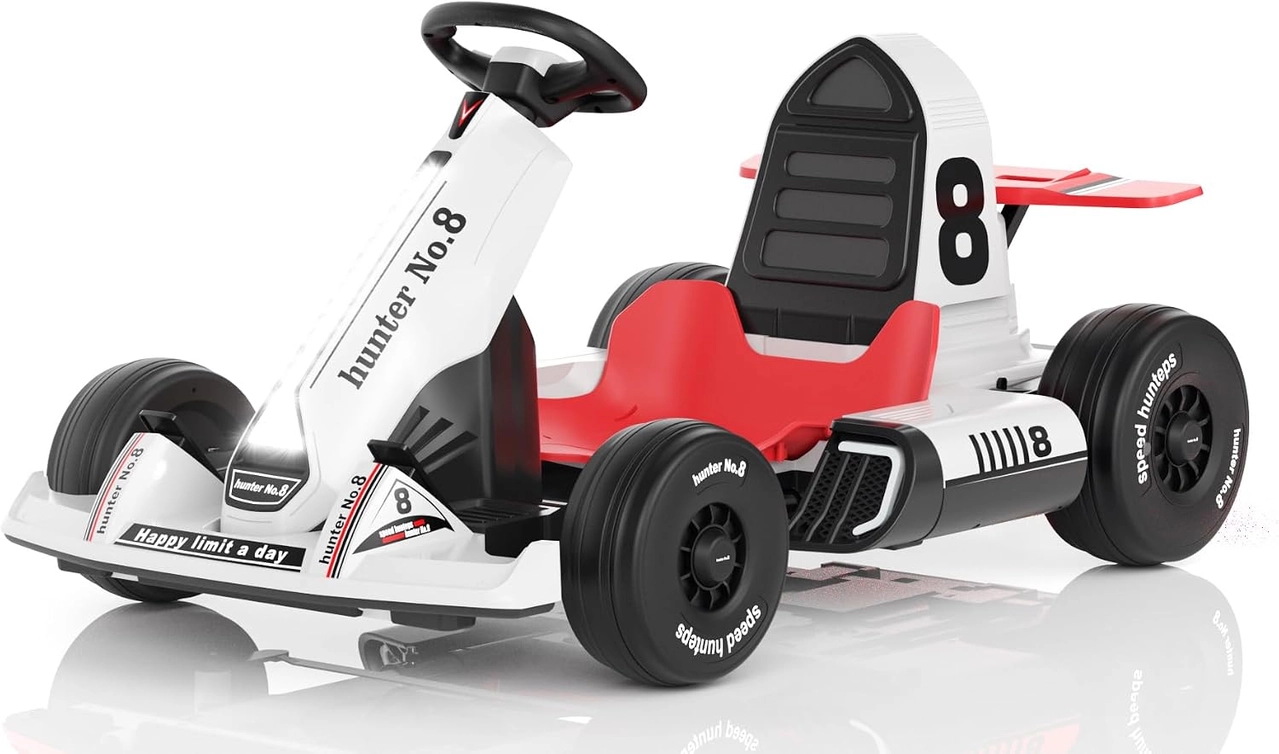
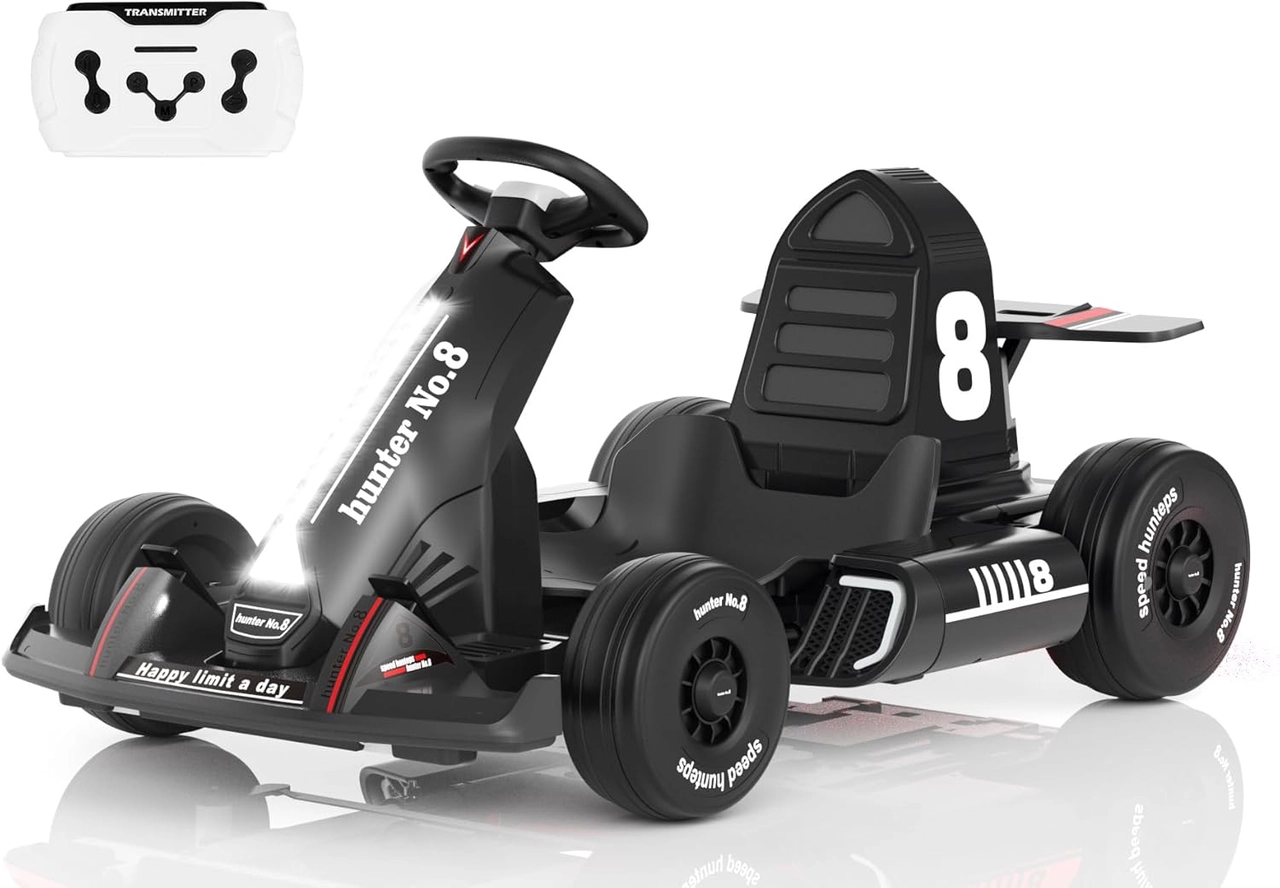
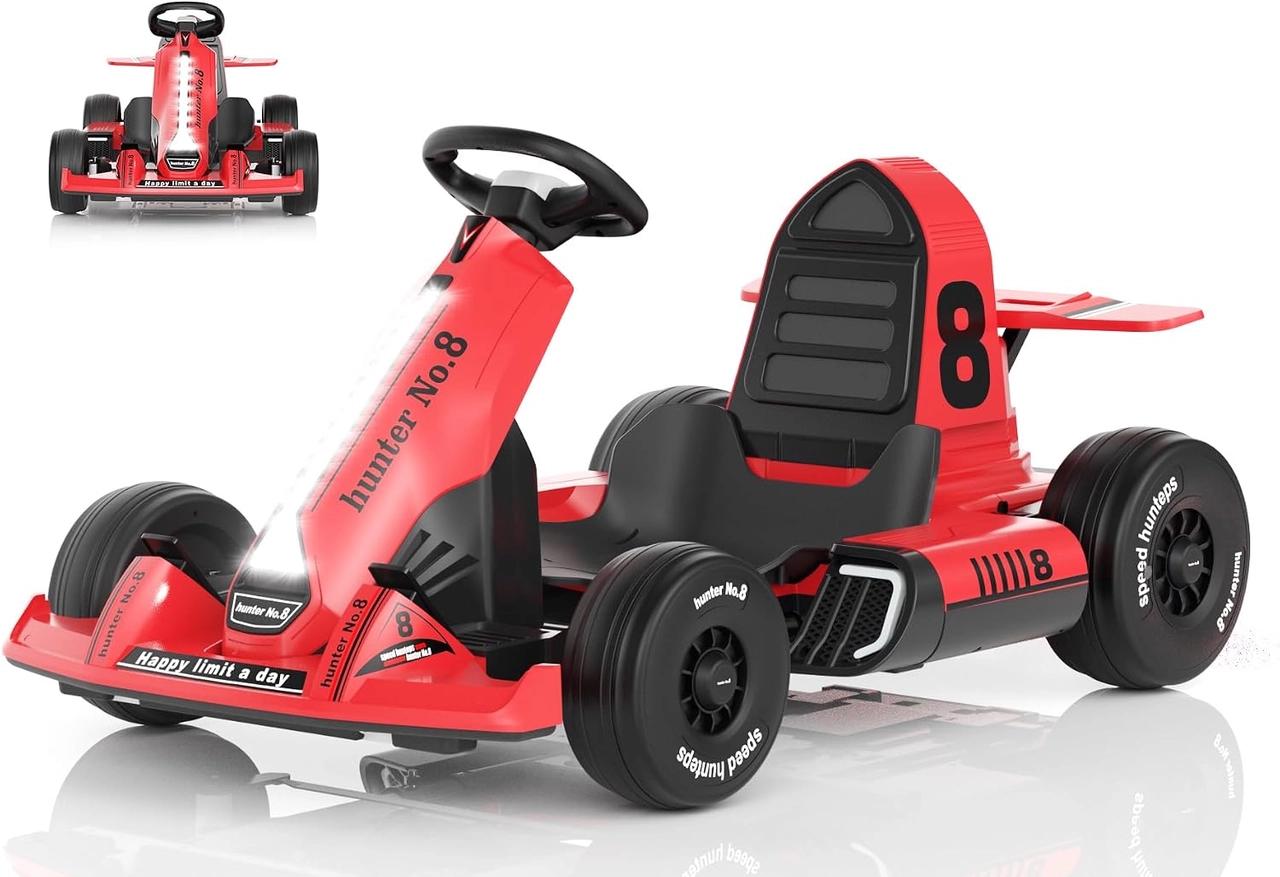
The XJD White 12V Kids Go Kart lists a 12V 7Ah system and speed up to 4.97 mph. The XJD Black 24V Kids Go Kart and XJD Red 24V Kids Go Kart use 24V 7Ah systems and list up to 7.5 mph. These examples provide different normal baselines, but voltage alone cannot diagnose a short runtime.
Practical checklist
- Stop instead of holding the pedal down.
- Compare only like-for-like sessions.
- Use firm, level approved ground.
- Never bypass electrical protection.
Frequently asked questions
Why does the kart work again after resting?
Thermal or overload protection may reset after cooling, but the repeated trigger still needs to be identified before normal use.
Does short runtime always mean a bad battery?
No. Charge, load, surface, temperature and mechanical drag also matter; consistent records help qualified support distinguish them.
Before making the final choice, revisit the exact route or driving area at the time it will normally be used. A setup that works during a quiet test may need more room, visibility or adult support when other people and everyday obstacles are present.
Bottom line
Use the answer to kids go kart stops after a few minutes as a decision process, not a shortcut. Confirm the live product data and manual, match the rider to the controls and setting, and favor repeatable control over a larger size or higher performance label.


