Kids Go Kart Pedal Not Working: What Parents Can Check
A kids go kart pedal not working can mean the kart has no power, the wrong control mode is selected, a pedal is physically obstructed, an accessible connector is loose or an electrical switch needs service. Remove the child before diagnosis. A powered ride-on can move unexpectedly, so keep wheels on the ground and never put hands near the drivetrain during a test.
Confirm the startup and control mode
With the kart stationary, follow the exact power-on sequence and check whether manual or parent-remote mode is selected. Some models prioritize one input or require a direction setting before the pedal responds. Return every selector to the documented position rather than switching rapidly, and begin any functional test without a child.
Separate a pedal issue from total power loss
Check whether lights, sounds, steering functions or the parent remote respond. If nothing works, start with the approved charge and power checks. If remote movement works but the pedal does not, record that distinction for support because it narrows the input path. Do not use the remote to keep a child riding around a suspected pedal fault.
Inspect the pedal mechanically
Switch off and look for stones, dirt, carpet, packaging or a floor mat holding the pedal. Press and release it gently by hand only if the manual allows; it should not stick or scrape. Do not spray lubricant into a switch, remove return springs, wedge the pedal down or alter its travel.
Check only approved accessible connections
If the assembly or troubleshooting guide names an owner-accessible plug, confirm it is fully seated with power off and exactly as shown. Otherwise leave panels closed. Do not probe wires, short switch contacts, bridge a fuse or connect a motor directly to the battery. Discoloration, melted plastic, exposed wire or odor requires immediate qualified support.
Complete a safe post-service test
After an authorized correction, an adult tests power-up, direction selection, brief pedal response, release-to-stop behavior and the parent remote on clear level ground. The kart must stop as designed when the pedal is released. Only then should the child return at the lowest suitable setting under direct supervision.
How current product examples clarify the choice
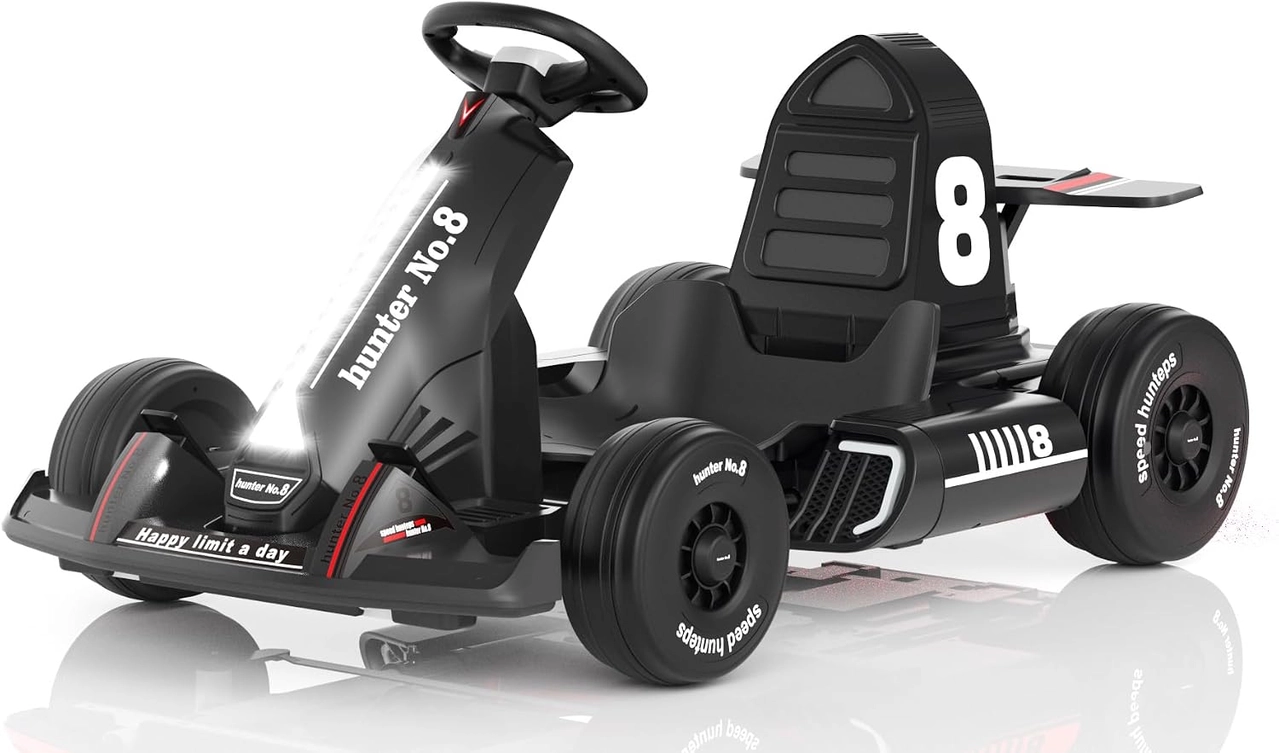
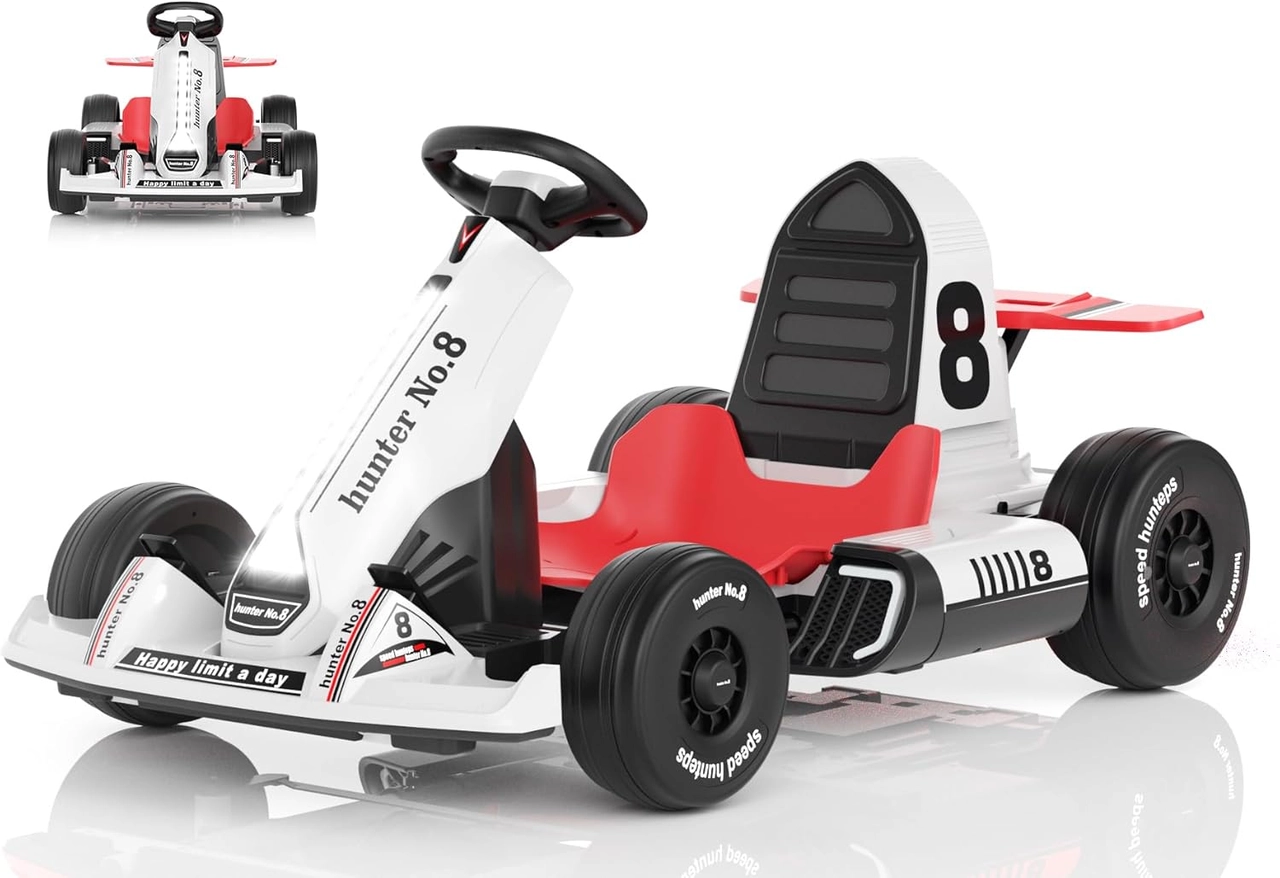
The XJD Black 12V Kids Go Kart and XJD White 24V Kids Go Kart both provide manual and parent-remote control modes, despite using different voltage systems. That shared feature gives parents a useful observation—whether one input works while the other does not—without suggesting that 12V and 24V switches, controllers or chargers are interchangeable.
Practical checklist
- Remove the child before testing.
- Confirm mode and total power first.
- Never wedge or bypass the pedal switch.
- Verify release-to-stop behavior after service.
Frequently asked questions
Why does the remote work when the go kart pedal does not?
That pattern can point toward the manual input path, but the exact switch, wiring or controller diagnosis belongs with qualified support.
Can I tape the pedal down to test it?
No. The kart could move unexpectedly and fail to stop when intended.
Before making the final choice, revisit the exact route or driving area at the time it will normally be used. A setup that works during a quiet test may need more room, visibility or adult support when other people and everyday obstacles are present.
Bottom line
Use the answer to kids go kart pedal not working as a decision process, not a shortcut. Confirm the live product data and manual, match the rider to the controls and setting, and favor repeatable control over a larger size or higher performance label.


