Kids Go Kart Clicking Noise: How to Find the Source
A kids go kart clicking noise may be a loose decorative panel, debris touching a wheel, a fastener moving under load, a gearbox problem, or an electrical relay. The timing matters: once per wheel turn, only while steering, only under acceleration, or after power selection each points to a different area. Stop riding until an adult rules out unsafe movement or damage.
Record when the click occurs
Ask the child what was happening, but do not repeat a risky maneuver. With the kart powered off, roll it only if the manual permits and listen for a rhythm tied to distance. Turn steering gently and press empty controls separately. Note whether the sound occurs stationary, forward only, over bumps, or with a particular wheel revolution.
Inspect wheels and body clearance
Look for stones in tread, string at an axle, a loose hub cap, cracked wheel, tire flat spot, or bodywork touching a rotating part. Check visible fasteners and panels without putting hands near a moving wheel. Do not tape a panel over a structural crack or tighten a wheel by guesswork. Retention hardware and torque are model-specific.
Distinguish drive and gearbox sounds
A click that begins with acceleration, repeats under load, or becomes grinding can involve gears, motor mounts, chain, or drive couplings. Do not continue until the noise becomes louder enough to identify. Keep enclosures closed, avoid grease in unknown locations, and provide a recording to qualified support. Broken gear teeth require compatible replacement.
Treat electrical clicking separately
One relay click during a normal startup may be designed behavior, while rapid repeated clicking, dimming lights, intermittent drive, odor, or heat can indicate low voltage or a connection fault. Inspect only accessible plugs with power and charger disconnected. Never bridge a relay, fuse, switch, or battery terminal to silence or test the sound.
Confirm silence is not the only goal
After repair, an adult checks wheel retention, steering, pedal return, braking, and all controls before a lowest-speed test on dry level ground. Listen through straight travel, wide turns, starts, and stops. The kart may make normal motor sounds, but recurring clicks, pulling, vibration, heat, or control delay means service is incomplete.
How current product examples clarify the choice
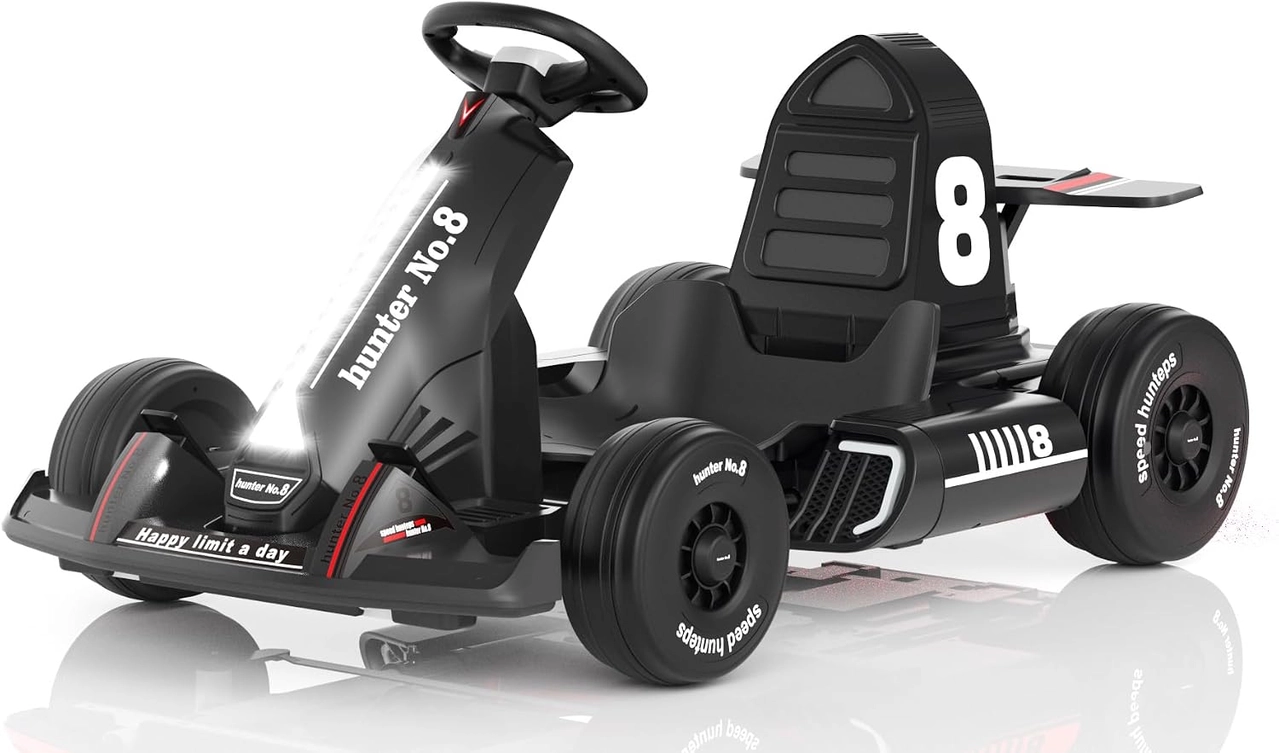
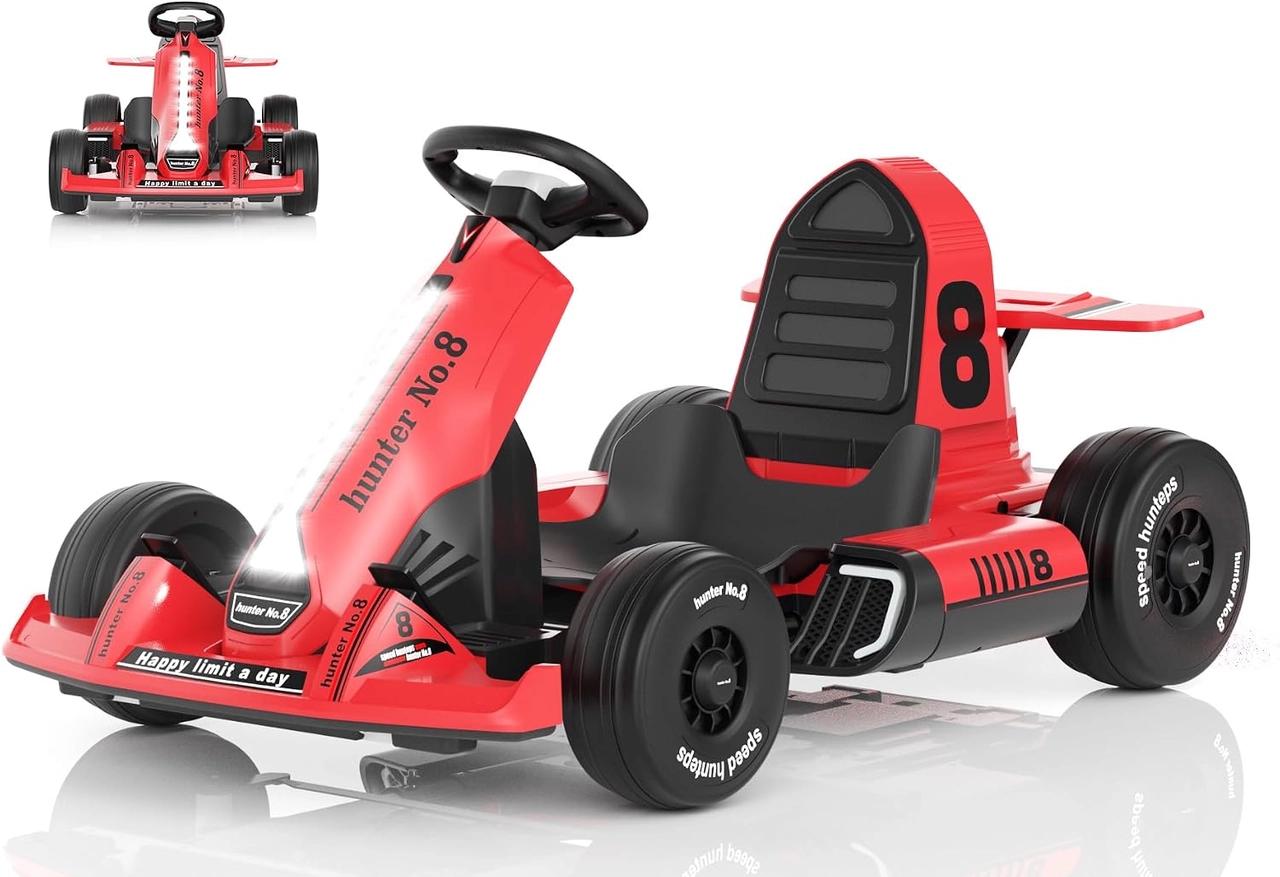
The XJD Black 12V and XJD Red 24V Kids Go Karts use different performance tiers while sharing a familiar body layout. That makes them helpful examples for localization without implying identical internals. Product voltage, motor arrangement, wheels, and controls must match before a sound or replacement part is compared.
Related reading on this site
For the next step, compare this check with our electric go kart maintenance guide and kids go kart overview. These pages provide nearby fit, component, or maintenance context without replacing the exact product manual.
Practical checklist
- Record the timing and location.
- Check wheels and panels while powered off.
- Do not run damaged gears for diagnosis.
- Stop for electrical heat or odor.
Frequently asked questions
Is one click when a go kart turns on normal?
Some controls use a relay, but only the exact manual can identify expected sounds; repeated clicking or other symptoms need inspection.
Why does clicking get faster with speed?
A wheel, axle, tire, or rotating drive component may be involved, so stop and inspect before riding again.
Before making the final choice, revisit the exact route or driving area at the time it will normally be used. A setup that works during a quiet test may need more room, visibility or adult support when other people and everyday obstacles are present.
Bottom line
Use the answer to kids go kart clicking noise as a decision process, not a shortcut. Confirm the live product data and manual, match the rider to the controls and setting, and favor repeatable control over a larger size or higher performance label.


