Kids Go Kart Brake Not Working: Stop-Ride Checklist
A kids go kart brake not working is an immediate stop-ride condition. A longer stopping distance, changed pedal feel, pulling, grinding or a control that no longer returns can all signal trouble. Switch the kart off, remove the child and move it by adult control only if that can be done safely. Do not use a wall, shoes or reverse direction as a substitute brake.
Describe the exact symptom
Record whether the brake control feels loose, stiff, rough or unchanged and whether the kart slows at all. Note any warning light, grinding, rubbing, pull or wheel that remains locked. Do not perform repeated speed tests to collect evidence. A stationary visual check and the details from the last normal stop are safer information for support or a technician.
Check for visible obstruction
With power off and any key removed, inspect around pedals, wheels and the accessible underside for stones, string, packed dirt or a displaced body part. Keep hands away from enclosed drive and brake mechanisms. Remove only loose debris that the manual says is safely accessible. A bent linkage, leaking material, damaged wheel or impact mark requires qualified inspection.
Inspect the control area
Confirm the pedal or hand control moves only through its normal range and returns as the model instructions describe. Look for a cracked pedal, loose mounting, damaged cable or exposed wire without opening any enclosure. Never tie a control back, bypass a switch, shorten a cable or add lubricant unless the exact service procedure calls for it; overspray can reduce friction.
Include tires and surface
Worn, contaminated or damaged tires can extend stopping distance even when the brake activates. Read the tire construction and wear guidance, then inspect the full circumference. Review whether the problem appeared on wet, loose or sloped ground. The kart should be used only on approved surfaces and within its rider-load limit, but better ground cannot make a faulty brake safe.
Require a controlled repair test
Brake components, electrical cutoffs and drive systems vary across children's karts, so use model-specific parts and service. After repair, an adult—not a child—tests at the lowest speed on dry, level, closed ground with ample space. Check several smooth stops and verify steering remains straight. Any fade, pull, noise or changing control feel ends the test.
How current product examples clarify the choice
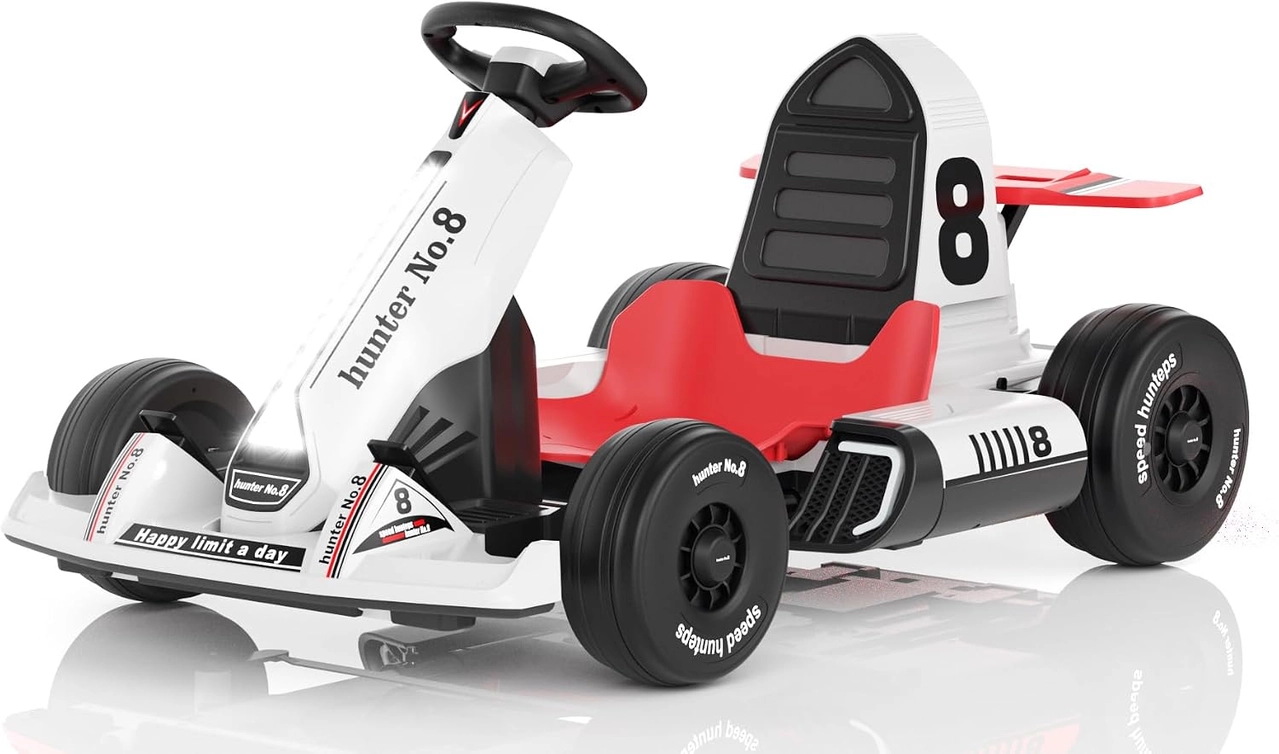
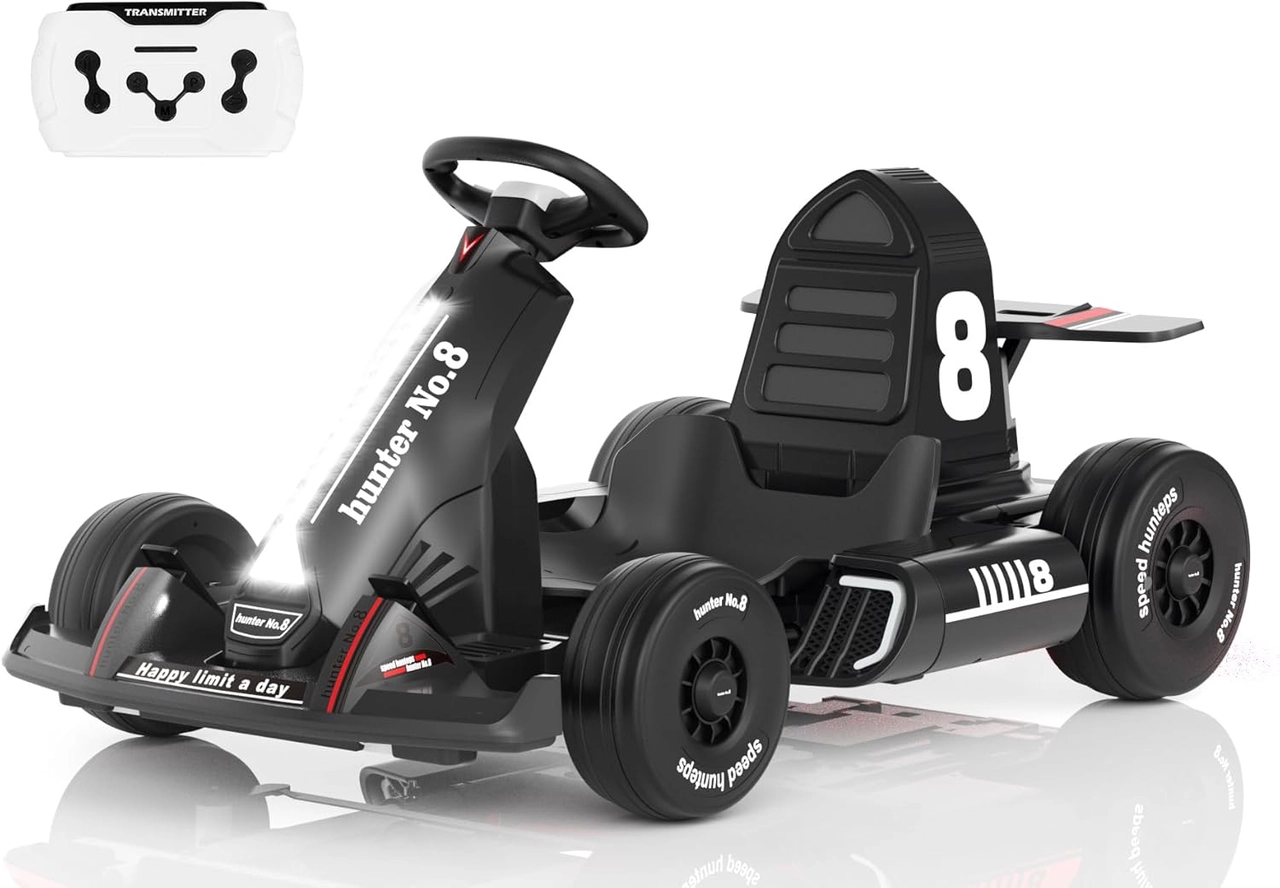
The XJD White 12V Kids Go Kart and XJD Black 24V Kids Go Kart show why the exact unit must guide brake diagnosis. Their voltage class, speed controls and internal parts differ, so a procedure or replacement chosen for one cannot be assumed safe for the other. Use the selected model's label and manual when requesting service.
Practical checklist
- Stop riding at the first brake change.
- Inspect without opening enclosures.
- Never bypass a control or cutoff.
- Let an adult perform the repair test.
Frequently asked questions
Can a child keep riding if the go kart still slows a little?
No. Reduced or inconsistent braking can worsen and cannot provide a predictable stopping distance.
Should I spray lubricant on a sticking brake pedal?
Not without the exact manufacturer procedure. Lubricant can reach friction or electrical components and hide the actual fault.
Before making the final choice, revisit the exact route or driving area at the time it will normally be used. A setup that works during a quiet test may need more room, visibility or adult support when other people and everyday obstacles are present.
Bottom line
Use the answer to kids go kart brake not working as a decision process, not a shortcut. Confirm the live product data and manual, match the rider to the controls and setting, and favor repeatable control over a larger size or higher performance label.


