Kids Go Kart Battery Storage: Between-Ride Checklist
Kids go kart battery storage is not simply parking the toy until spring. Rechargeable battery chemistries and chargers have model-specific timing, temperature and maintenance requirements. Deep discharge, heat, freezing conditions, moisture and damaged cords can shorten battery life or create a hazard. Use the label and owner's manual for the exact kart before deciding when to charge or disconnect it.
Identify the battery instructions
Record the kart model, voltage, battery type if stated and supplied charger's electrical label. Do not infer chemistry from voltage or connector shape. The manual should define the initial charge, after-use routine and long-storage interval. Keep those instructions with the kart so another caregiver does not substitute a charger or leave it connected based on a different ride-on toy.
Inspect before every storage charge
An adult checks the battery area, charge port, plug and cable for swelling, leakage, cracks, bent contacts, corrosion, odor or heat. Do not charge a wet or damaged system. Place charging equipment in the ventilated location required by the manual, away from combustible materials and children, and connect in the specified order. Never use an extension arrangement the maker forbids.
Follow time and indicator guidance
Use the stated charging duration and indicator behavior rather than leaving the charger connected indefinitely. A light that never changes, a charger that becomes unusually hot or a battery that will not hold normal operation time needs support. Timers can remind an adult to inspect progress, but they do not replace the manufacturer's automatic controls or safe disconnection sequence.
Choose a stable storage environment
Store the kart in a dry, ventilated place within its allowed temperature range, protected from rain, direct sun and freezing extremes. Switch it off and prevent accidental operation. Keep metal objects away from terminals and do not stack items on the seat or battery cover. If the manual calls for disconnection, insulate and secure the connector exactly as described.
Maintain it during long breaks
Set a calendar reminder for the manual's maintenance-charge interval and inspect condition before reconnecting. Do not wait until the kart is completely unresponsive. Before the next season, check tires, fasteners, steering, controls and charger as well as charge state. An adult should complete the first low-speed test; reduced runtime or repeated charging faults need diagnosis.
How current product examples clarify the choice
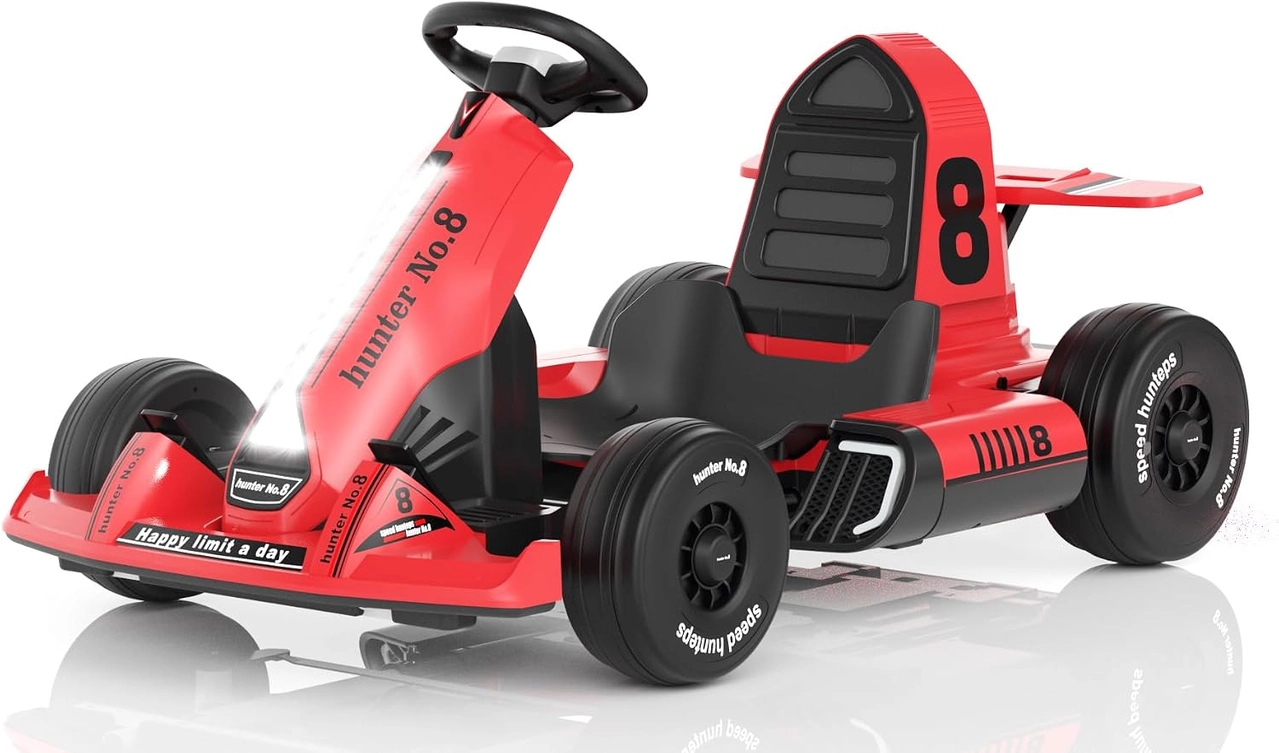
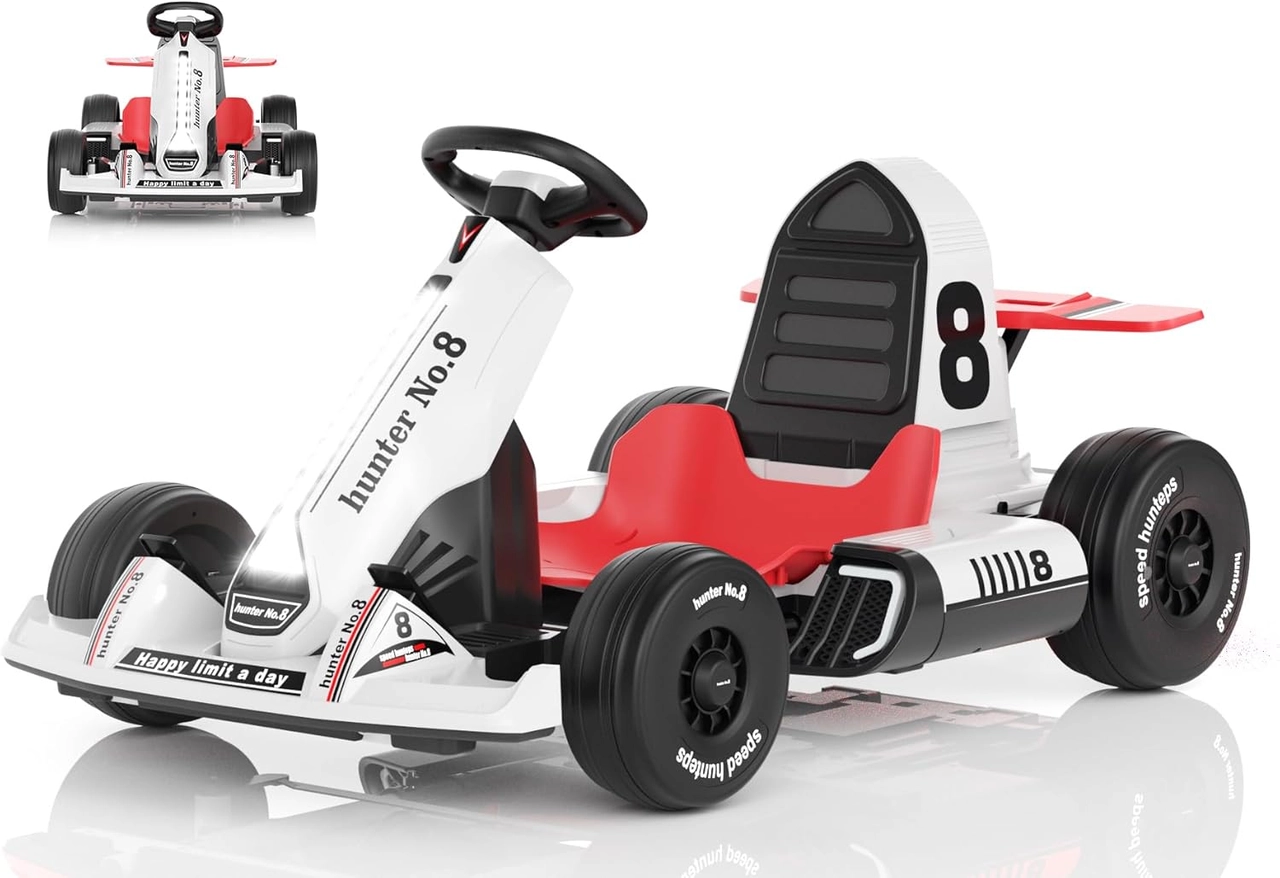
The XJD Red 12V Kids Go Kart and XJD White 24V Kids Go Kart use different electrical systems, making them a clear reminder that chargers cannot be shared by appearance. The correct storage schedule, connector and charge behavior must come from the documentation for the selected 12V or 24V unit.
Practical checklist
- Keep the exact manual with the kart.
- Inspect before connecting a charger.
- Store dry and within temperature limits.
- Schedule maintenance charges as directed.
Frequently asked questions
Should I leave a kids go kart plugged in during storage?
Only if the exact manual and supplied charger explicitly support that method; otherwise follow its timed charging and disconnection instructions.
How often should a stored go kart battery be charged?
Intervals vary by battery and product. Use the model manual rather than a universal monthly rule copied from another kart.
Before making the final choice, revisit the exact route or driving area at the time it will normally be used. A setup that works during a quiet test may need more room, visibility or adult support when other people and everyday obstacles are present.
Bottom line
Use the answer to kids go kart battery storage as a decision process, not a shortcut. Confirm the live product data and manual, match the rider to the controls and setting, and favor repeatable control over a larger size or higher performance label.


