Teach Kids Braking and Steering: A 5-Step Go Kart Practice Plan
Teaching a child to drive a kids go kart is not about chasing speed first. The useful milestones are quieter: a smooth start, a clean stop, a wide turn, eyes looking ahead and a child who listens the moment an adult gives the stop command. When those basics are taught in order, every ride feels more controlled for the parent and more rewarding for the young driver.
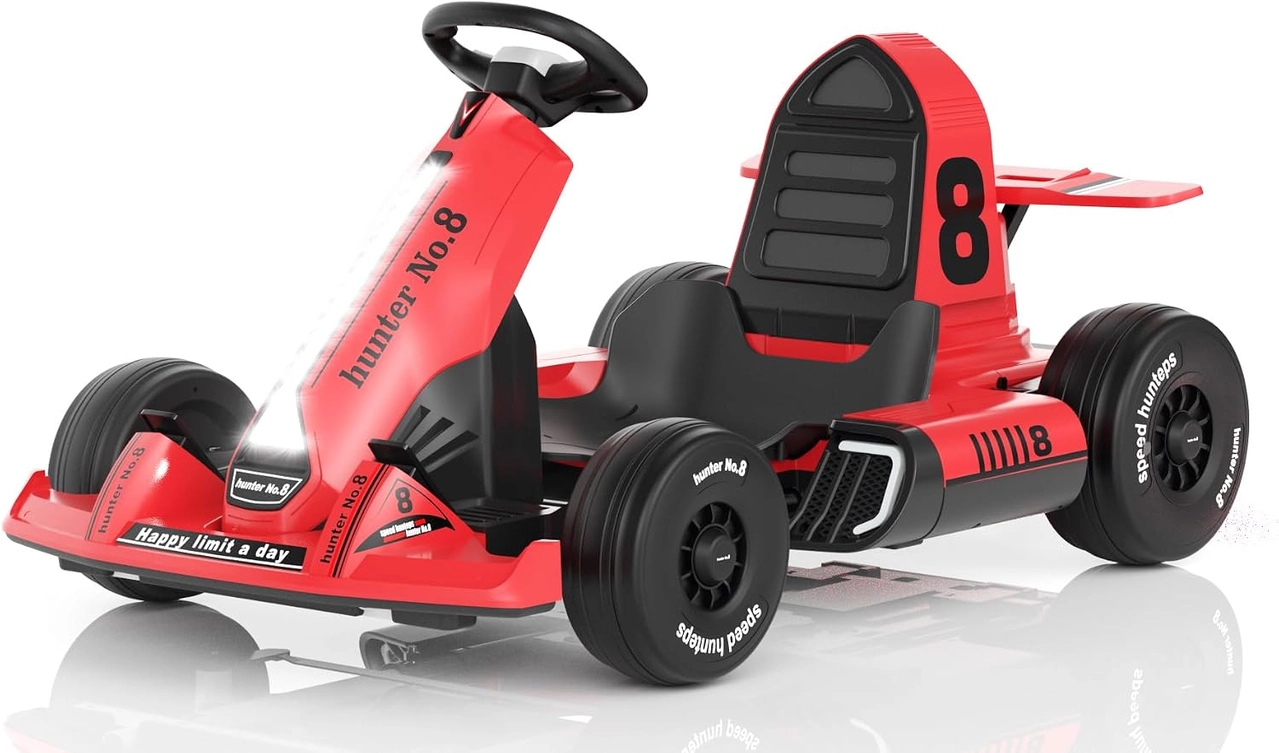
This five-step practice plan is designed for families using an electric kids go kart on a flat driveway, court or backyard route. It works especially well with beginner-friendly models such as the red 6V XJD go kart and the balanced red 12V XJD go kart. Older riders can use the same structure before moving into a 24V go kart.
Start with the Parent's Setup
Before teaching any driving skill, build a practice area that makes mistakes small. Choose a flat, dry surface away from cars, streets, pools, stairs and steep slopes. Use cones, chalk or soft markers to create a simple rectangle with one start line and one stopping box. A child learns faster when the route is obvious and the adult is close enough to step in.
Keep the first session short. Ten focused minutes are better than thirty tired minutes. The goal is not distance; the goal is one clean skill repeated enough times that the child knows what success feels like.
Step 1: The Power-Off Walkthrough
Begin with the kart switched off. Have the child sit in the seat, buckle the belt and place both hands on the wheel. Ask them to show the pedal, steering direction and stop signal without moving. This removes the pressure of motion and lets you correct small habits before the kart starts rolling.
- Hands stay on the wheel. No waving, reaching or turning around while seated.
- Eyes look where the kart should go. Children tend to stare at cones they want to avoid; teach them to look through the gap instead.
- Stop means pedal off. Practice lifting the foot quickly when the adult says the chosen stop word.
If the child cannot follow these instructions with the kart off, the moving session should wait. Readiness is shown by listening, not by age alone.
Step 2: Smooth Starts
Place the kart on the start line and ask for one gentle launch toward the stopping box. Young drivers often press too hard because they expect toy-like delay. Coach them to ease into the pedal, keep the wheel straight and drive only a few yards before stopping.
Repeat this start-and-stop pattern five times. Praise the specific behavior, not the speed: straight wheel, steady hands, eyes forward, pedal released on command. These details become the foundation for every turn later.
Step 3: The Braking Box
Mark a clear box where the kart must come to rest. The child drives from the start line and tries to stop with the front wheels inside the box. At first, make the box large. As control improves, move the start line back or make the box smaller.
This drill teaches judgment without making the child feel scolded. If the kart rolls past the box, ask what happened: did they lift the foot too late, look down, or forget the stop signal? The answer helps them connect action to result.
Step 4: Wide Turns Before Tight Turns
Set two cones far apart and teach a single wide U-turn. The child should slow before the cone, turn the wheel smoothly and straighten out before adding speed again. Tight turns can wait. Wide turns build the habit parents actually want: slow first, steer second, accelerate last.
For younger children on a 6V go kart, one cone may be enough. For a confident rider on a 12V go kart, create a gentle oval. Do not add racing language too early. The first turning goal is control, not lap time.
Step 5: Combine Skills into One Calm Lap
Once starts, stops and wide turns are consistent, link them into a simple lap: start line, straight section, wide turn, short straight, braking box. The adult should stand where they can see the child's eyes and intervene quickly. End the session after two or three successful laps, even if the child wants more.
Stopping while the ride is still fun builds anticipation for next time and prevents tired decision-making. A child who finishes proud is more likely to listen during the next session.
When to Move Up in Speed
Do not move to a faster tier because a child asks for it. Move up only when control is boringly repeatable. A rider may be ready for more space or a stronger kart when they can:
- Stop inside the braking box several times in a row.
- Slow before turns without being reminded.
- Keep both hands on the wheel during surprises.
- Respond immediately to the adult stop command.
- End a session calmly when asked.
If any of those habits disappear, reduce the course size or return to the previous voltage tier. The 12V to 24V readiness guide gives parents a fuller checklist for that decision.
Common Teaching Mistakes to Avoid
- Starting in a crowded space. Too many cones, people or toys make a new driver stare everywhere except the route.
- Coaching nonstop. Give one instruction at a time. Children cannot process a full driving lesson while moving.
- Letting siblings race too soon. Competition can wait until each child has reliable stopping control.
- Skipping the helmet because the route is short. The helmet rule should be automatic before the kart moves.
The Bottom Line
A good kids go kart lesson looks simple from the outside: start, stop, turn wide, repeat. That simplicity is the point. Build the course, teach one skill at a time and let confidence grow from controlled success. Browse the full Kids Go Kart collection to match the right voltage and color to your child's current driving habits, then keep the first practice plan calm, short and consistent.


