Kids Go Kart Wheel Wobble: Stop-and-Check Guide
Kids go kart wheel wobble may appear as side-to-side movement, vibration, rhythmic rubbing or a pull that changes with speed. Continuing to ride can worsen a loose or damaged assembly. Park on level ground, switch power off and keep the child away while an adult identifies whether movement comes from the tire, wheel, axle or steering.
Confirm which wheel and motion
Roll the powered-off kart slowly only as the manual allows and watch each wheel from a safe angle. Note whether the tire shape changes, the wheel moves sideways, or the entire axle connection shifts. Do not place hands near a rotating wheel or lift a powered kart. Record a short video for service.
Inspect the tire circumference
Look for cuts, chunks, flat spots, bulges, separation, embedded objects and uneven wear. Identify whether the tire is solid or pneumatic before considering pressure. Never inflate a solid tire or exceed a sidewall marking. A structurally damaged tire needs the exact compatible replacement rather than glue, heat or an improvised patch.
Check visible retention hardware
Compare nuts, caps, washers and clips with the parts diagram without loosening them to investigate. Missing hardware, a wheel not fully seated or a fastener that repeatedly backs out is a stop-use condition. Do not add thread compound or substitute common hardware; dimensions, strength and locking method are model-specific.
Include axle and steering clues
Gently check only the play test permitted by the manual. Grinding, clicking, heat, crooked steering or movement at a linkage can indicate more than a tire problem. A collision may bend a wheel or connection. Do not tighten bearings or bend parts until the exact source and service procedure are known.
Complete a cautious repair test
After qualified repair, an adult confirms wheel security, smooth rotation, steering and braking before testing at the lowest speed on dry level ground. Watch for vibration, pulling, rubbing and unusual sound through several gentle turns and stops. Any repeated wobble ends the test and returns the kart to service.
How current product examples clarify the choice
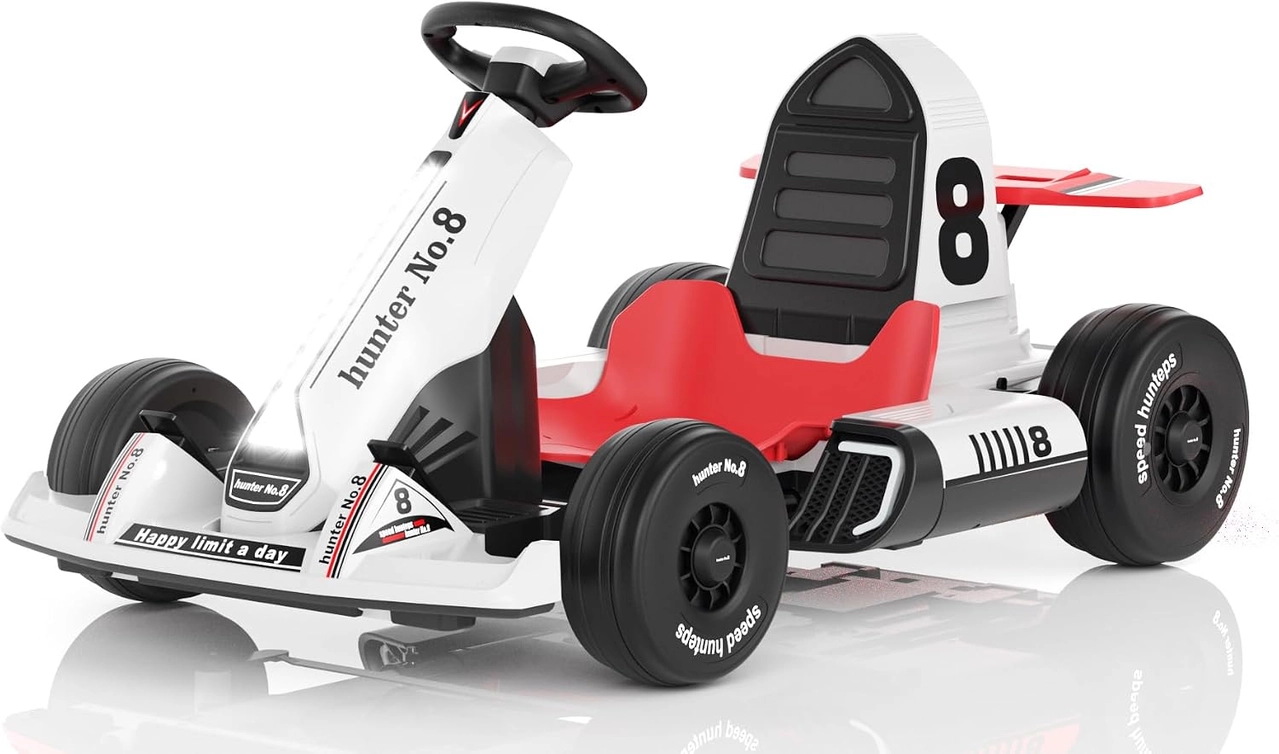
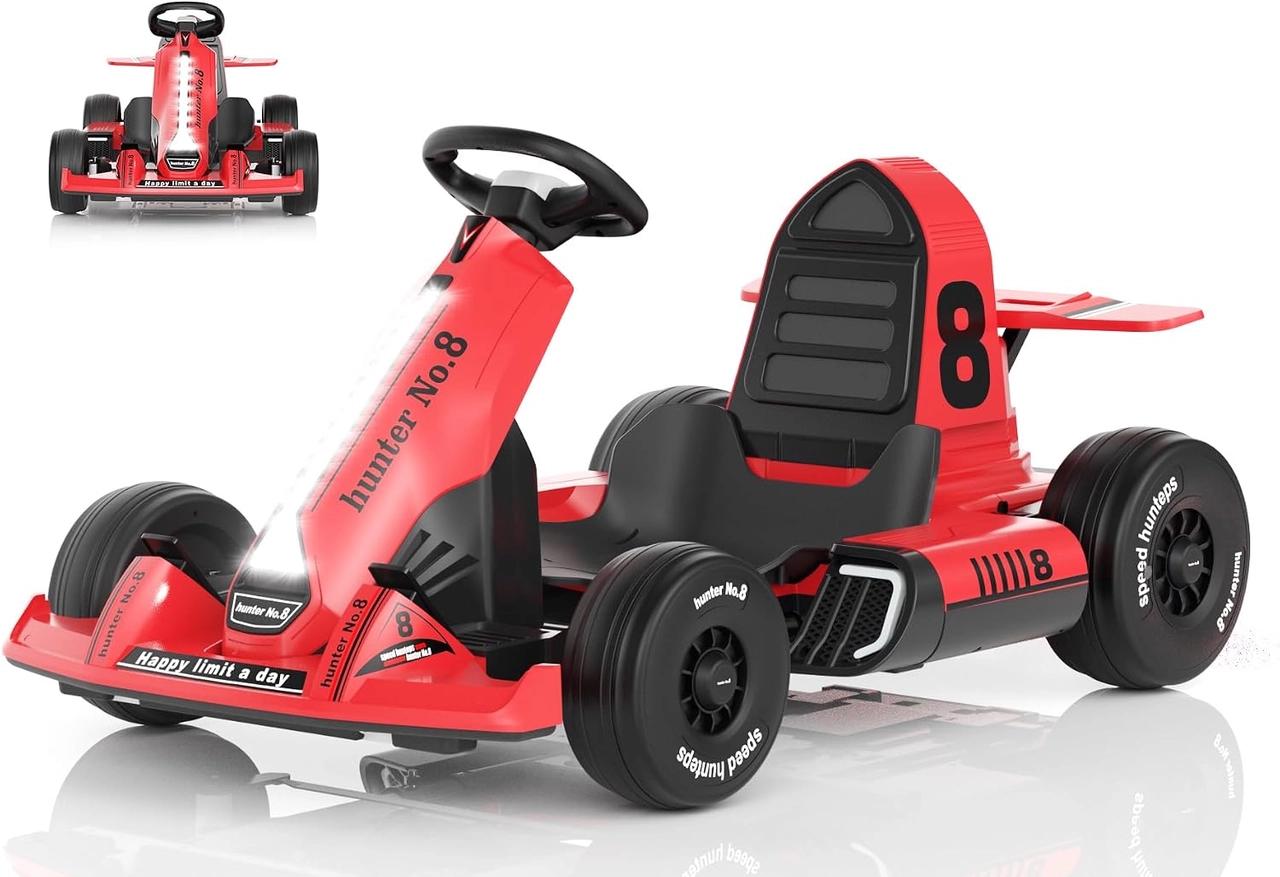
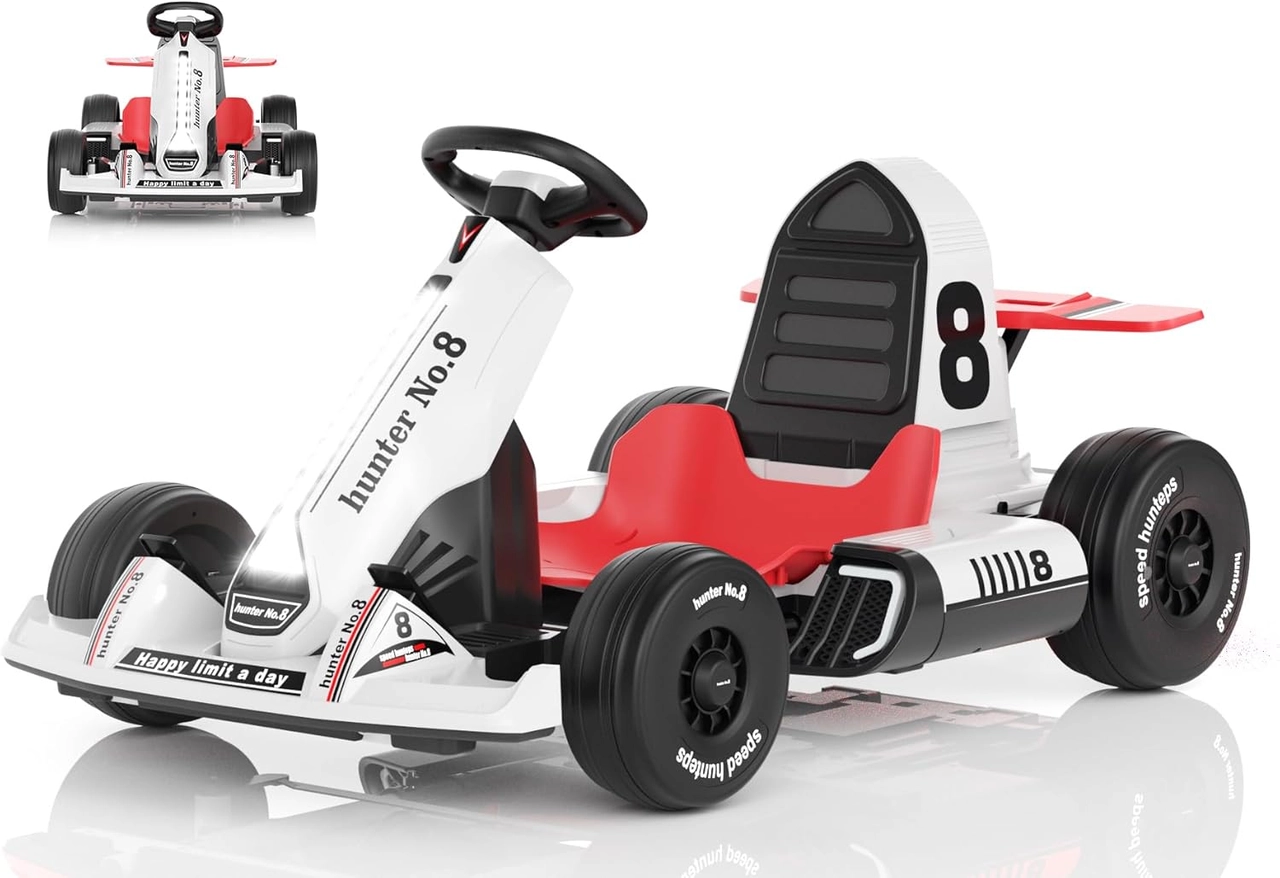
The XJD White 12V, XJD Red 24V and XJD White 24V Kids Go Karts provide useful visual comparisons, but shared styling does not make wheels interchangeable. Tire construction, axle parts and voltage model must all match the documentation for the exact kart being inspected.
Practical checklist
- Stop riding when wobble appears.
- Separate tire and wheel motion.
- Keep original retention hardware.
- Verify steering and braking after repair.
Frequently asked questions
Can uneven tire wear cause go kart wobble?
It can contribute, but wheel retention, axle, bearing and steering conditions also need inspection.
Is it safe to tighten a loose wheel myself?
Only if the exact manual identifies the hardware, procedure and torque; otherwise use qualified service.
Before making the final choice, revisit the exact route or driving area at the time it will normally be used. A setup that works during a quiet test may need more room, visibility or adult support when other people and everyday obstacles are present.
Bottom line
Use the answer to kids go kart wheel wobble as a decision process, not a shortcut. Confirm the live product data and manual, match the rider to the controls and setting, and favor repeatable control over a larger size or higher performance label.


