Kids Go Kart vs Ride-On Car: Which Driving Style Fits?
A kids go kart vs ride-on car comparison should begin with driving position, controls and space rather than body style. Both can be battery-powered ride-ons, but a low go-kart format and a car-shaped toy may ask the child to enter, steer and judge corners differently. The right choice is the one the child fits and can operate calmly in the available private area.
Compare entry and seating
Have the child practice getting in and out with power off. The rider should sit in the intended position, reach the steering control and pedals without sliding forward, and use the fitted belt exactly as instructed. A low seat can feel sporty but still be wrong if the child cannot exit independently.
Controls matter more than styling
List every action: power, direction, acceleration, braking and any parent remote. A familiar car body does not automatically make the controls easier, and a go-kart shape does not prove readiness for speed. Teach one action at a time.
Measure the driving zone
Use a closed, level area separated from roads, vehicles, pools, stairs and pedestrians. Measure turning space and leave a wide buffer around obstacles. Indoor use requires explicit manual permission and a suitable private area; a hallway or shared room is not a practice track.
Choose a power tier after fit
Voltage labels identify electrical systems but do not determine suitability alone. Compare the exact listed speed, controls and rider guidance. Start with the lowest permitted setting or supervised mode and move up only after repeated controlled stops.
Plan ownership, not only the first drive
Both formats need charging, inspection, dry storage and space when unused. Check access to the charging point, the path from storage to the riding zone and whether an adult can move the toy safely without lifting it by fragile parts.
How current product examples clarify the choice
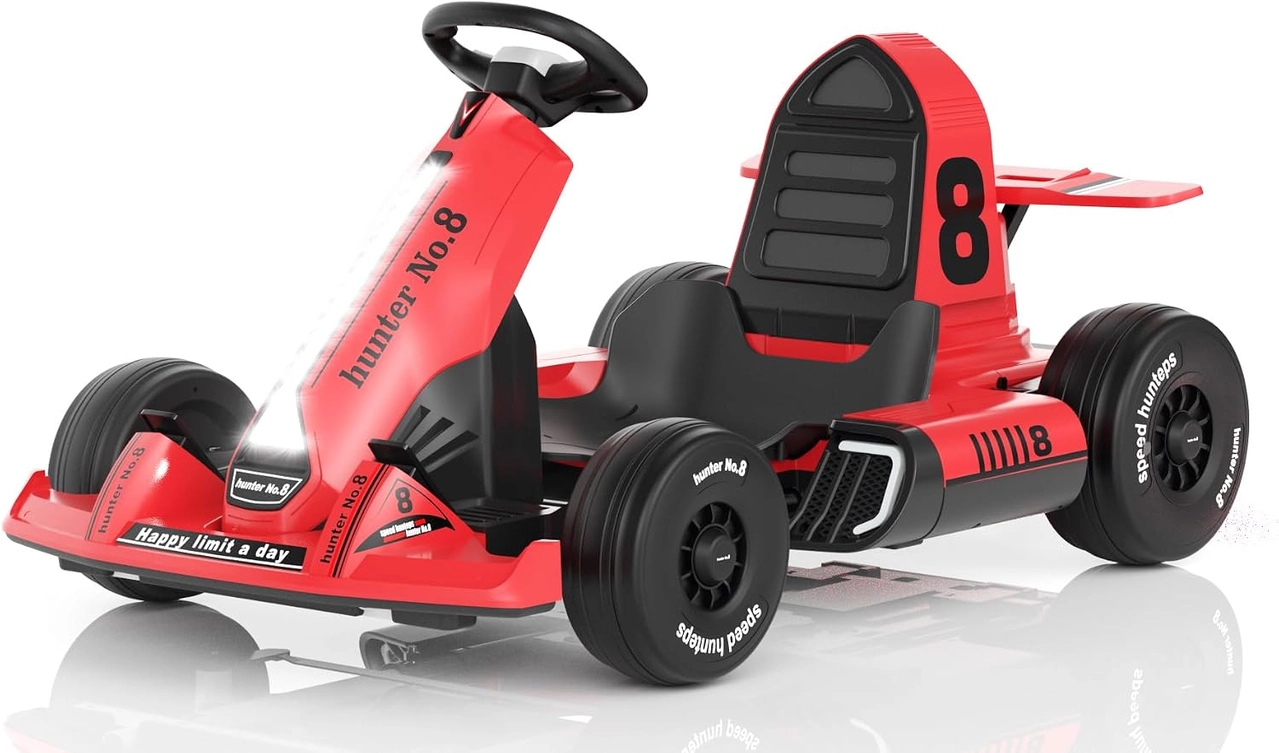
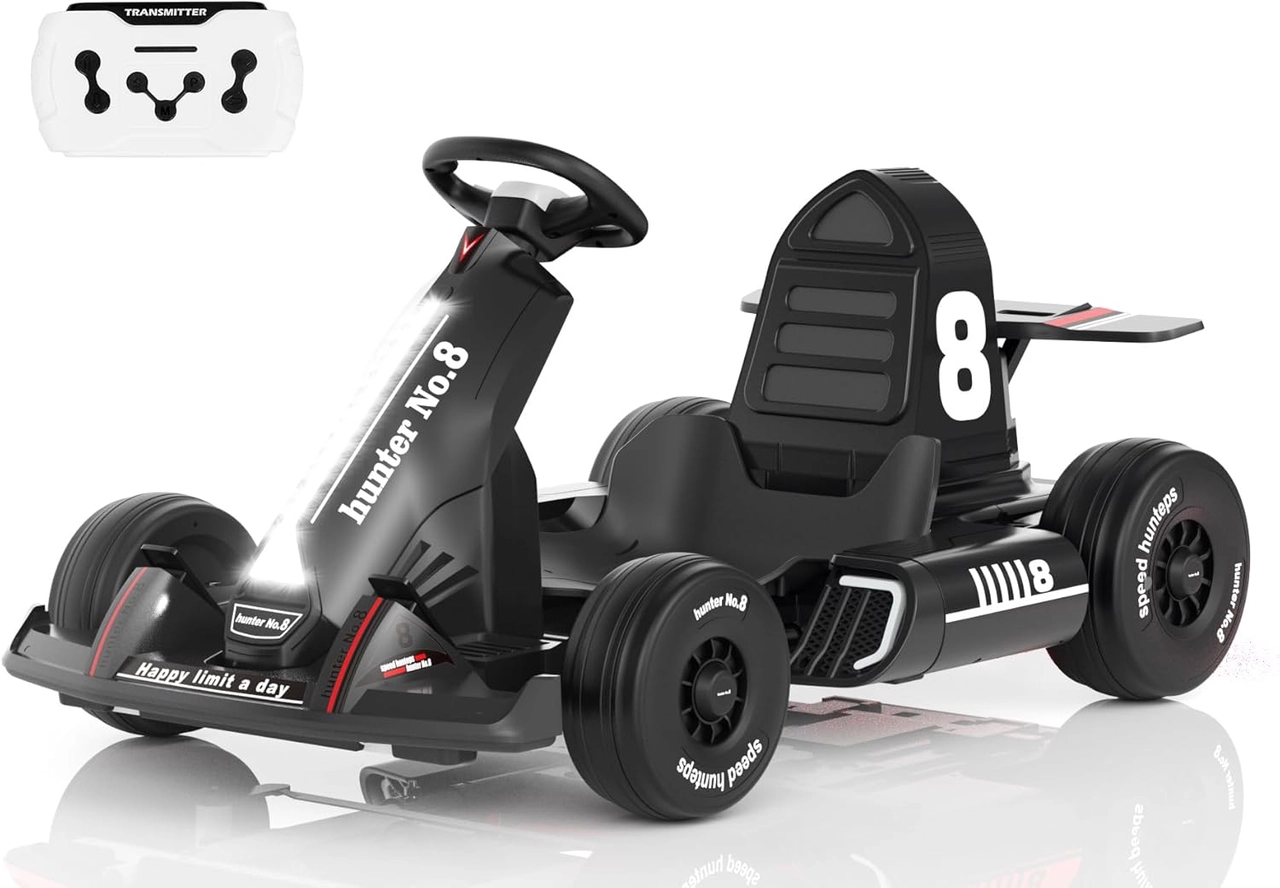
The red 12V XJD kart lists up to 4.97 mph, a parent remote and adjustable body length; the black 24V model lists up to 7.5 mph with the same broad control choices. They show how two go-karts can differ enough that readiness matters more than choosing the go-kart category itself.
Practical checklist
- Test entry, seat position and pedal reach.
- List all controls before comparing styles.
- Measure a closed riding zone.
- Plan charging and dry storage.
Frequently asked questions
Is a go kart always faster than a ride-on car?
No. Speed depends on the exact model, not the body category.
Which is better for a first driver?
The model with suitable fit, manageable controls and a safe practice space.
Before making the final choice, revisit the exact route or driving area at the time it will normally be used. A setup that works during a quiet test may need more room, visibility or adult support when other people and everyday obstacles are present.
Bottom line
Use the answer to kids go kart vs ride-on car as a decision process, not a shortcut. Confirm the live product data and manual, match the rider to the controls and setting, and favor repeatable control over a larger size or higher performance label.


