Kids Electric Go Kart Turns On but Won't Move: Safe Checks
When a kids electric go kart turns on but won't move, an illuminated switch or sound only proves that part of the electrical system has power. The battery may be low under load, a charger interlock may remain active, a control may not be in its required position, or a connection may need service. Remove the child, switch the kart off and use the exact manual before touching components.
Start with the operating sequence
Confirm the charger is fully disconnected, the power and direction controls are in the required positions, and any seat, brake or start interlock described by the model is satisfied. Do not bypass a switch or hold it closed by hand. Place the kart on the approved level surface with a clear area and adult supervision before one controlled retry.
Check charge without relying on lights
A dashboard light can work even when the battery voltage falls too far under motor load. Review the charger's normal indicator sequence and the model-specific charging time, then inspect the plug, cord and port for heat, looseness or damage. Stop for swelling, odor, leakage or an unusually hot connector and use only the supplied compatible charger.
Look for a mechanical obstruction
With power off and the key removed if applicable, inspect the wheels for string, stones or debris and look underneath for a displaced part. Do not place hands near gears, motors or drive components, and do not force a wheel that the manual says should not freewheel. A collision, bent wheel or grinding sound requires qualified service rather than repeated throttle tests.
Inspect only accessible connections
Check external connectors specifically identified in the owner's instructions and make sure they are fully seated, dry and undamaged. Never open a battery pack, controller or motor enclosure, bridge contacts with metal, or substitute a fuse. Burn marks, melted insulation, recurring loose plugs or moisture inside an electrical area are stop-use conditions.
Gather useful service evidence
Record whether lights dim, a relay clicks, the motor hums, one wheel tries to turn or the failure appeared after charging, storage or an impact. Include the exact model and battery voltage label when contacting support. Do not keep cycling the pedal or switch because repeated stalled starts can heat electrical and drive parts without solving the fault.
How current product examples clarify the choice
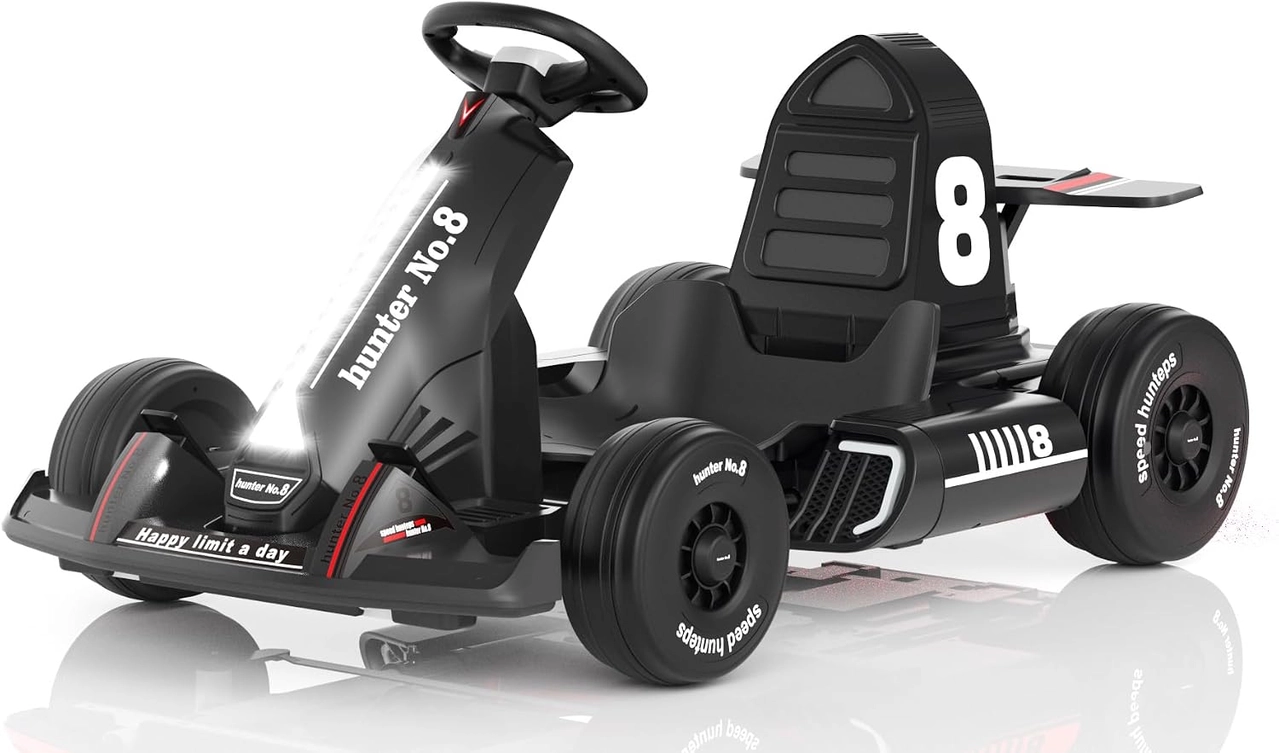
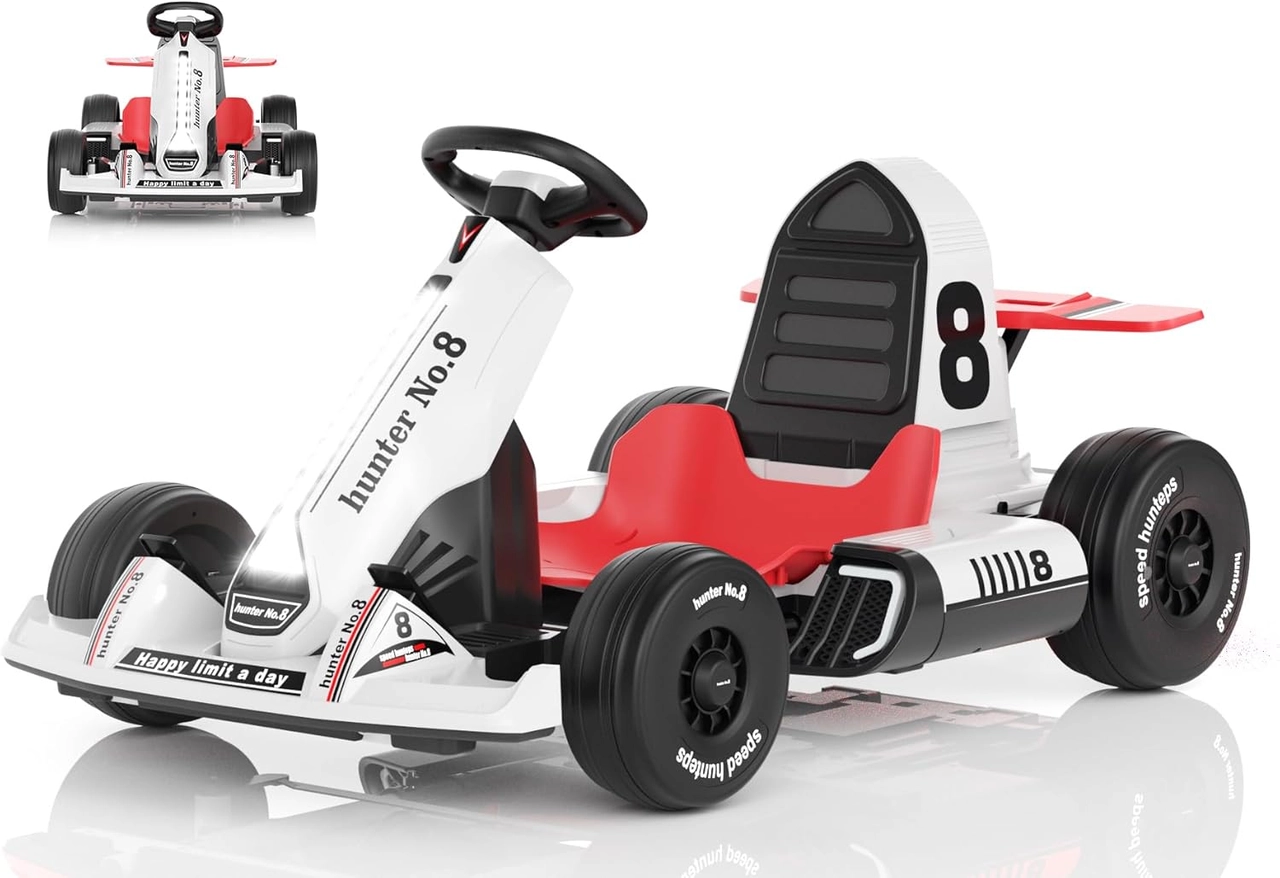
The XJD Black 12V Kids Go Kart and XJD White 24V Kids Go Kart show why troubleshooting must begin with exact model identification. Voltage, charger and control parts are not interchangeable, so a lit power switch cannot justify swapping batteries or adapters between the two. Use the label and original manual for the kart in front of you.
Practical checklist
- Disconnect the charger completely.
- Follow the exact start sequence.
- Never bypass an interlock.
- Record sounds and light changes.
Frequently asked questions
Why does the go kart click but not move?
A click can show a control or relay responded, while low charge, a loose connection, obstruction or failed drive component still prevents movement.
Can I test it with a different charger?
Only use the charger specified for that exact battery and model. Matching plug shape alone does not prove electrical compatibility.
Before making the final choice, revisit the exact route or driving area at the time it will normally be used. A setup that works during a quiet test may need more room, visibility or adult support when other people and everyday obstacles are present.
Bottom line
Use the answer to kids electric go kart turns on but won't move as a decision process, not a shortcut. Confirm the live product data and manual, match the rider to the controls and setting, and favor repeatable control over a larger size or higher performance label.


